2025 Supply Chain Transparency: E-commerce Compliance Guide
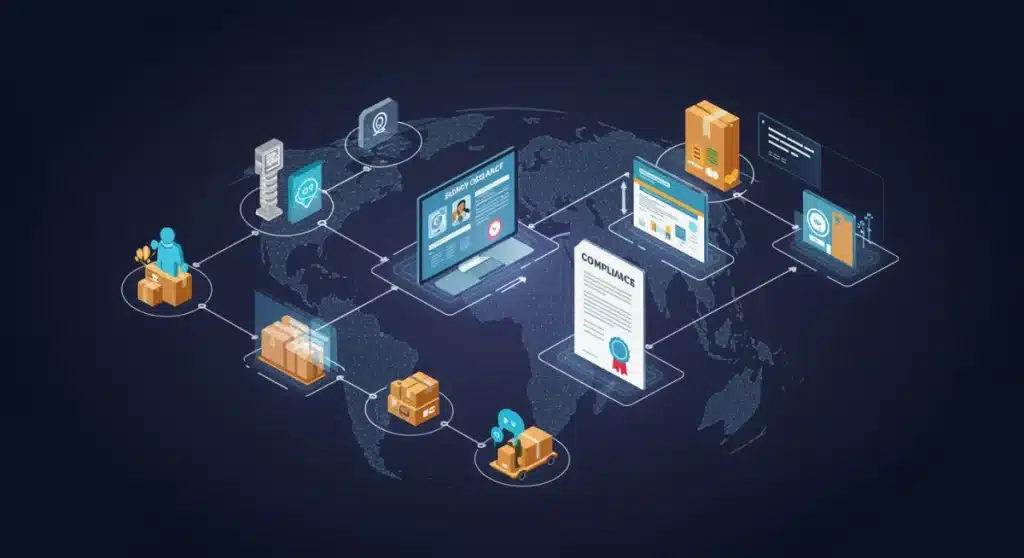
The landscape of global commerce is rapidly evolving, and with it, the expectations for how businesses operate. For e-commerce businesses, the year 2025 marks a significant turning point with new, stringent mandates focusing on
2025 Supply Chain Transparency. Understanding and proactively addressing these emerging compliance requirements is not merely a legal obligation but a strategic imperative for sustained growth and consumer trust.
The Rising Tide of Supply Chain Transparency Regulations
The call for greater supply chain transparency has reached a crescendo, driven by a confluence of factors including consumer demand for ethical products, growing environmental concerns, and a heightened awareness of human rights issues within global production networks. Governments and regulatory bodies are responding with new legislation designed to hold companies accountable for the entire lifecycle of their products, from raw material extraction to final delivery.
For e-commerce, this means a significant shift from simply managing logistics to actively verifying and reporting on the social and environmental bona fides of every link in their supply chain. This is a complex undertaking, especially for businesses with global sourcing networks, but the penalties for non-compliance can be severe, ranging from hefty fines to reputational damage that can erode customer loyalty.
Key Drivers Behind the 2025 Regulations
- Consumer Demand: Modern consumers are increasingly conscious of ethical sourcing and sustainability, favoring brands that demonstrate transparency.
- ESG Investment Focus: Environmental, Social, and Governance (ESG) criteria are heavily influencing investment decisions, pushing companies towards more transparent practices.
- Geopolitical Shifts: Global events and trade tensions have highlighted vulnerabilities and ethical concerns in complex supply chains, prompting regulatory action.
The implications extend beyond mere paperwork. E-commerce businesses must now consider the ethical footprint of their suppliers, the environmental impact of their manufacturing processes, and the labor conditions under which their products are made. This holistic view of the supply chain is fundamental to meeting the new 2025 transparency mandates.
Understanding the New Compliance Frameworks for E-commerce
The new compliance requirements for 2025 are not a monolithic set of rules but rather a patchwork of evolving legislation across different jurisdictions, with a significant impact on US-based e-commerce operations. These regulations often focus on specific aspects of supply chain conduct, such as forced labor, environmental impact, and data privacy.
For e-commerce businesses, navigating this complex regulatory landscape requires a clear understanding of which laws apply to their specific operations and product categories. Many of these laws build upon existing frameworks, expanding their scope and strengthening enforcement mechanisms. The emphasis is on due diligence, requiring companies to actively investigate and report on their supply chain practices.
Notable Regulatory Updates
- Forced Labor Prevention: Legislation like the Uyghur Forced Labor Prevention Act (UFLPA) in the US places the burden of proof on importers to ensure goods are not produced with forced labor.
- Environmental Due Diligence: Emerging regulations in various regions are compelling companies to assess and mitigate environmental risks throughout their supply chains, including carbon emissions and waste management.
- Product Traceability: Specific sectors (e.g., food, textiles) are seeing increased requirements for end-to-end product traceability, often utilizing blockchain or similar technologies.
These frameworks demand a proactive stance. E-commerce businesses can no longer afford to be passively aware of their supply chain; they must be actively engaged in auditing, monitoring, and reporting to demonstrate compliance. This often necessitates significant investment in new technologies and processes to gather and verify the necessary information.
Practical Solutions for Achieving Transparency and Compliance
Meeting the stringent 2025 supply chain transparency requirements will require e-commerce businesses to implement robust and scalable solutions. This isn’t just about avoiding penalties; it’s about building a resilient, ethical, and trustworthy brand. The focus should be on leveraging technology, fostering strong supplier relationships, and developing clear internal policies.
One of the primary challenges lies in collecting accurate and verifiable data from diverse and often geographically dispersed suppliers. Manual processes are simply not adequate for the scale and complexity of modern e-commerce supply chains. Therefore, digital transformation plays a crucial role in achieving meaningful transparency.
Leveraging Technology for Transparency
- Blockchain Solutions: Offers immutable record-keeping for product origins, certifications, and transaction histories, enhancing traceability and trust.
- AI and Machine Learning: Can analyze vast datasets to identify potential risks, monitor supplier performance, and predict compliance issues before they escalate.
- Supply Chain Management (SCM) Software: Integrated platforms provide tools for supplier onboarding, document management, audit trails, and reporting, centralizing compliance efforts.
Beyond technology, cultivating strong, collaborative relationships with suppliers is paramount. This involves clear communication of compliance expectations, providing support for suppliers to meet new standards, and potentially engaging in joint initiatives to improve ethical and sustainable practices. A partnership approach is often more effective than a purely punitive one.
The Role of Data and Technology in Modern Supply Chains
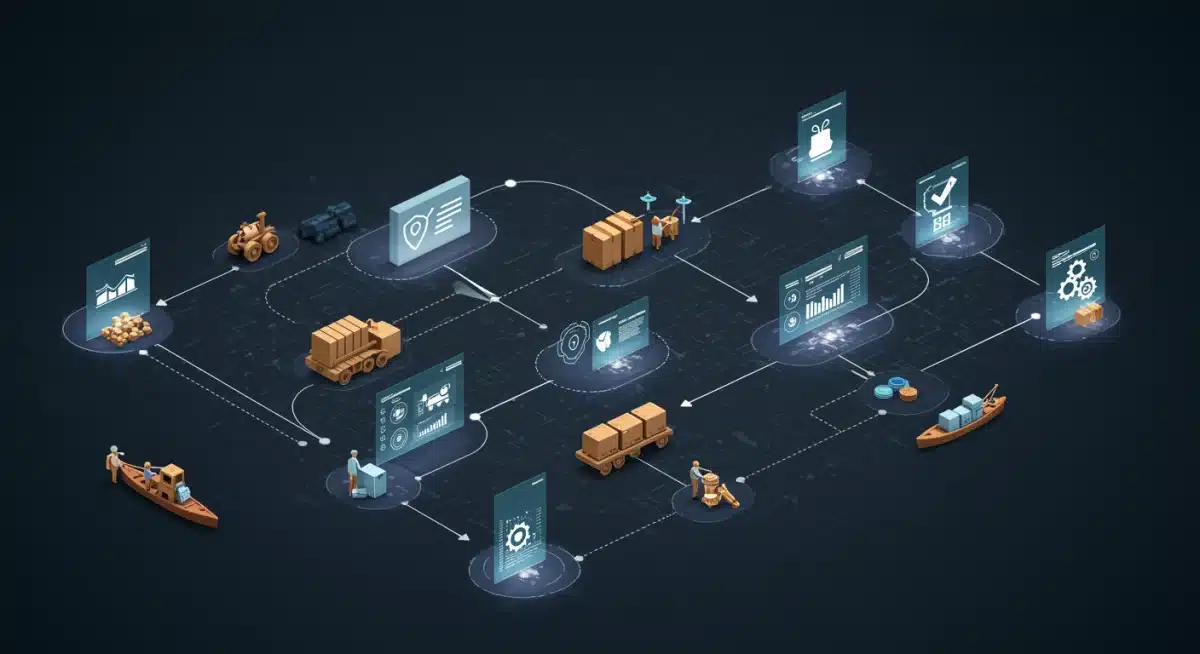
In the context of 2025 Supply Chain Transparency, data is no longer just an operational byproduct; it is a critical asset. Accurate, verifiable, and accessible data forms the backbone of any effective compliance strategy. E-commerce businesses must invest in systems that can capture, store, and analyze data from every stage of their supply chain, providing a comprehensive audit trail.
The sheer volume and diversity of data points required for transparency — from material origins and manufacturing locations to labor practices and environmental certifications — necessitate advanced technological solutions. Legacy systems often lack the interoperability and analytical capabilities needed to meet these new demands.
Essential Data and Technology Strategies
- Centralized Data Platforms: Implement systems that aggregate data from all supply chain partners, ensuring consistency and ease of access for reporting.
- Automated Data Collection: Utilize IoT devices, RFID tags, and API integrations to automate the collection of real-time data, reducing human error and improving efficiency.
- Data Analytics and Visualization: Employ tools that can transform raw data into actionable insights, allowing businesses to quickly identify compliance gaps and areas for improvement.
The adoption of these technologies is not a one-time project but an ongoing commitment. As regulations evolve and supply chains become more complex, so too must the technological infrastructure supporting transparency efforts. This continuous improvement mindset is essential for long-term compliance and competitive advantage.
Building a Resilient and Ethical E-commerce Supply Chain
The drive towards 2025 Supply Chain Transparency offers e-commerce businesses an opportunity to not only comply with regulations but also to build more resilient and ethical operations. A transparent supply chain is inherently more robust, as it provides greater visibility into potential disruptions and risks, from natural disasters to geopolitical instability.
Ethical considerations, once seen as a ‘nice-to-have,’ are now becoming foundational to business success. Consumers increasingly reward brands that demonstrate genuine commitment to social responsibility, while investors are scrutinizing ESG performance more closely. Building an ethical supply chain, therefore, translates into tangible business benefits.
Strategies for Resilience and Ethics
- Diversified Sourcing: Reduce reliance on single suppliers or regions to mitigate risks associated with disruptions and ensure ethical alternatives are available.
- Supplier Audits and Certifications: Regularly audit suppliers for compliance with labor, environmental, and ethical standards, and prioritize those with recognized certifications.
- Worker Empowerment Programs: Support initiatives that promote fair wages, safe working conditions, and worker representation throughout the supply chain.
Furthermore, fostering a culture of transparency within the organization is crucial. This involves training employees on new compliance requirements, establishing clear internal reporting mechanisms, and ensuring that ethical considerations are integrated into all decision-making processes, from product design to procurement. Ultimately, a resilient and ethical supply chain is a competitive differentiator.
Preparing for the Future: Proactive Steps for E-commerce Businesses
With 2025 rapidly approaching, e-commerce businesses must act decisively to prepare for the new supply chain transparency requirements. Procrastination is not an option, as implementing the necessary changes often involves significant lead times for technology adoption, supplier engagement, and process redesign. A structured, phased approach is generally most effective.
The first step is a comprehensive assessment of the current supply chain to identify existing gaps in transparency and compliance. This involves mapping out all suppliers, understanding their practices, and evaluating potential risks. From this assessment, a clear roadmap for improvement can be developed, prioritizing the most critical areas.
Key Proactive Measures
- Conduct a Supply Chain Audit: Thoroughly review all suppliers and their sub-suppliers to understand their operational, environmental, and social practices.
- Invest in Compliance Software: Implement platforms that can manage supplier data, track certifications, facilitate audits, and generate compliance reports efficiently.
- Train Internal Teams: Educate procurement, legal, and sustainability teams on the new regulations and best practices for supply chain due diligence.
- Engage with Legal Counsel: Seek expert advice to interpret complex regulations and ensure that all compliance strategies are legally sound and comprehensive.
Beyond these immediate steps, e-commerce businesses should also engage with industry associations and participate in dialogues with policymakers. Staying informed about emerging legislative trends and contributing to industry best practices can help shape future regulations and ensure that compliance efforts remain relevant and effective. This forward-looking perspective is vital for long-term success in a transparent supply chain era.
| Key Aspect | Brief Description |
|---|---|
| Regulatory Landscape | Evolving global and national laws demanding greater visibility into product origins and practices. |
| Technological Solutions | Blockchain, AI, and SCM software are crucial for data collection, analysis, and reporting. |
| Ethical Sourcing | Focus on fair labor, environmental impact, and human rights to meet consumer and investor expectations. |
| Proactive Preparation | Conducting audits, investing in tools, and training teams are essential for 2025 compliance. |
Frequently Asked Questions About 2025 Supply Chain Transparency
It refers to the increased regulatory and consumer demand for e-commerce businesses to provide detailed, verifiable information about their entire supply chain, including ethical, environmental, and social practices, with new laws taking effect in 2025.
It’s crucial due to consumer demand for ethical products, investor focus on ESG metrics, and new government regulations aimed at preventing issues like forced labor and environmental damage. Non-compliance carries significant risks.
Key technologies include blockchain for immutable records, AI and machine learning for risk analysis, and integrated Supply Chain Management (SCM) software for centralized data and reporting capabilities.
Preparation involves conducting comprehensive supply chain audits, investing in compliance software, training internal teams on new requirements, and engaging legal counsel for regulatory interpretation and strategy development.
Beyond legal compliance, a transparent supply chain enhances brand reputation, builds consumer trust, attracts ESG-focused investors, and improves operational resilience by providing better visibility into potential risks and disruptions.
Conclusion
The push for 2025 Supply Chain Transparency represents a fundamental shift in how e-commerce businesses must operate. It’s an era where ethical sourcing, environmental responsibility, and social accountability are no longer optional but integral to business continuity and success. By proactively embracing new technologies, fostering strong supplier relationships, and embedding a culture of transparency, e-commerce companies can not only meet these evolving compliance demands but also forge a stronger, more resilient, and more reputable future for themselves in the global marketplace. The time to act is now, transforming challenges into opportunities for growth and positive impact.