Future of Payments: E-commerce Trends 2025
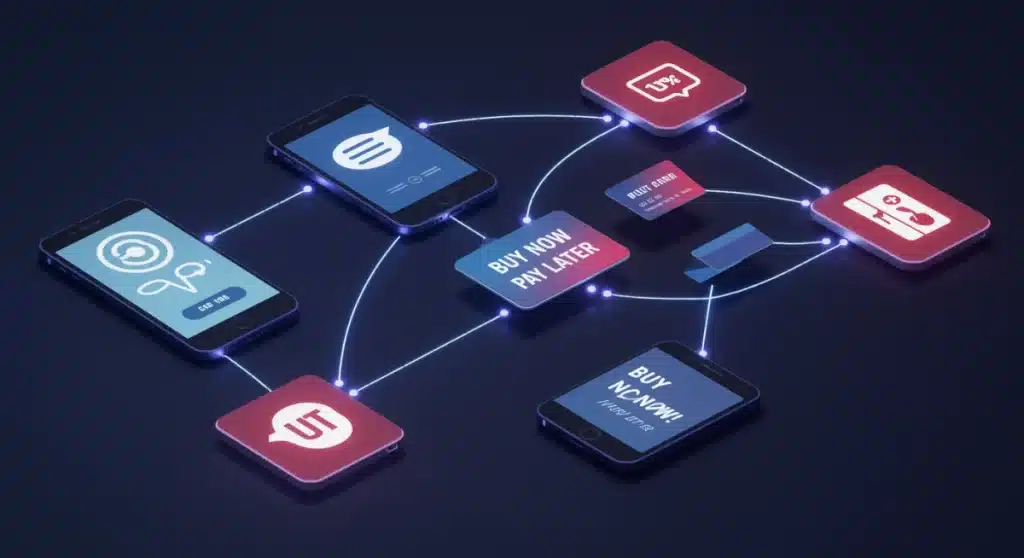
The future e-commerce payments landscape in 2025 will be significantly shaped by the widespread adoption of digital wallets and the continued evolution of Buy Now, Pay Later (BNPL) services, driving convenience and financial flexibility for consumers globally.
The world of online commerce is in a constant state of flux, and understanding the future e-commerce payments landscape is crucial for businesses and consumers alike. As we approach 2025, the dominance of digital wallets and the transformative rise of Buy Now, Pay Later (BNPL) are not just trends; they are foundational shifts reshaping how transactions are conducted and perceived.
The Ascent of Digital Wallets: More Than Just Convenience
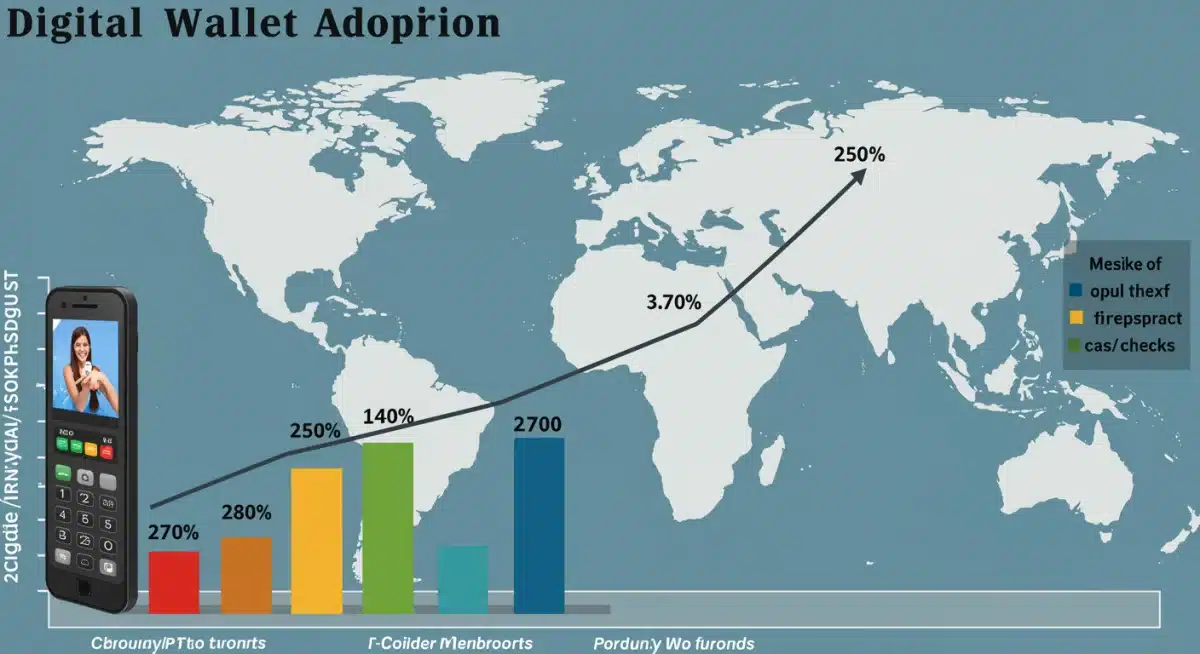
Digital wallets have transcended their initial role as simple payment tools, evolving into comprehensive financial ecosystems. They offer seamless integration with various banking services, loyalty programs, and even identity verification, positioning them as central to the online shopping experience.
Redefining User Experience and Security
The primary appeal of digital wallets lies in their unparalleled convenience and enhanced security features. Consumers can complete purchases with a few taps, eliminating the need to repeatedly enter card details, which significantly speeds up the checkout process. This efficiency is a critical factor in reducing cart abandonment rates for e-commerce businesses.
- Biometric Authentication: Many digital wallets now incorporate fingerprint or facial recognition, adding a robust layer of security that traditional cards lack. This significantly reduces the risk of unauthorized transactions.
- Tokenization: Instead of transmitting actual card numbers, digital wallets use tokenization, replacing sensitive data with unique, encrypted tokens. This makes stolen data virtually useless to fraudsters.
- Integrated Loyalty Programs: Shoppers can automatically apply loyalty points and discounts at checkout, streamlining the savings process and enhancing customer satisfaction.
From a security perspective, the continuous innovation in encryption and fraud detection within these platforms provides a level of protection that often surpasses conventional payment methods. This builds trust, encouraging more users to adopt and rely on digital wallets for their daily transactions.
Expanding Beyond Payments: Financial Hubs
Beyond transactional capabilities, digital wallets are increasingly functioning as personal financial management hubs. Users can track spending, manage budgets, and even invest directly through their wallet interfaces, transforming them into indispensable tools for modern finance.
The shift towards digital wallets is not merely a technological upgrade but a fundamental change in consumer behavior, driven by the desire for simplicity, speed, and heightened security in their financial interactions. Businesses that fail to prioritize digital wallet integration risk falling behind in this rapidly evolving environment.
Buy Now, Pay Later (BNPL): A Paradigm Shift in Consumer Financing
Buy Now, Pay Later (BNPL) services have exploded in popularity, particularly among younger demographics, offering a flexible alternative to traditional credit. This payment method allows consumers to receive products immediately while spreading the cost over several interest-free installments, fundamentally altering purchasing power and budgeting strategies.
The Appeal and Growth Drivers of BNPL
The attractiveness of BNPL stems from its straightforward approach: no interest (if payments are made on time), transparent terms, and often a soft credit check that doesn’t impact credit scores significantly. This accessibility has opened up new purchasing opportunities for a broader consumer base.
- Increased Purchase Power: BNPL enables consumers to afford higher-value items by breaking down the total cost into manageable installments, often leading to increased average order values for merchants.
- Budget Management: For many, BNPL acts as a budgeting tool, allowing them to better manage their cash flow without incurring high-interest credit card debt.
- Seamless Integration: Most BNPL providers offer easy integration into e-commerce checkout flows, making the option readily available at the point of purchase.
Retailers are increasingly embracing BNPL as a powerful conversion tool, recognizing its ability to boost sales and attract new customers who might otherwise be hesitant to make a full upfront payment. The psychological benefit of instant gratification combined with deferred payment is a potent combination.
Regulatory Scrutiny and Future Outlook
Despite its rapid growth, BNPL faces increasing regulatory scrutiny concerning consumer protection, credit reporting, and potential debt accumulation. Governments and financial authorities are working to establish frameworks that ensure responsible lending and transparency within the BNPL sector.
Looking ahead, BNPL providers are likely to refine their models, potentially integrating more closely with traditional banking services and offering more personalized financing options. This evolution will be critical for sustaining growth while addressing consumer welfare concerns.
The Interplay: Digital Wallets and BNPL Integration
The convergence of digital wallets and BNPL services represents a powerful synergy in the e-commerce payment ecosystem. Many digital wallet platforms are now integrating BNPL options directly, offering users an even wider array of payment choices within a single, convenient interface.
Enhanced Checkout Experiences
This integration streamlines the checkout process further. A consumer using a digital wallet can now select a BNPL option with the same ease as choosing a traditional card, all within the familiar wallet environment. This reduces friction and enhances the overall user experience.
- Consolidated Options: Digital wallets act as a central hub where users can access various payment methods, including credit cards, debit cards, and multiple BNPL providers, simplifying financial decision-making.
- Personalized Offers: With more data available through integrated platforms, consumers may receive more tailored BNPL offers or promotional discounts directly within their digital wallets.
- Improved Analytics for Merchants: Businesses gain a more holistic view of customer payment preferences and behaviors when these services are integrated, leading to better marketing and product strategies.
The seamless transition between different payment types within a digital wallet environment is a significant advantage, addressing diverse consumer preferences and financial situations. This flexibility is key to retaining customers and optimizing conversion rates.
Strategic Partnerships and Market Dominance
Strategic partnerships between digital wallet providers and BNPL companies are becoming increasingly common, aimed at capturing larger market shares and offering a more comprehensive suite of financial services. These collaborations often result in innovative features and competitive advantages.
As these two powerful forces merge, they create a formidable payment solution that caters to the modern consumer’s demand for speed, security, and flexible financing. The combined offering is set to become a standard expectation in the e-commerce landscape by 2025.
Recent Updates and Innovations in E-commerce Payments
The payment industry is characterized by relentless innovation. Recent updates point towards a future where payments are even more invisible, intelligent, and integrated into our daily lives, moving beyond just transactional exchanges.
Emerging Technologies and AI in Payments
Artificial intelligence (AI) and machine learning (ML) are increasingly being leveraged to enhance fraud detection, personalize payment experiences, and optimize transaction routing. These technologies are making payments smarter and more secure.
- AI-powered Fraud Prevention: AI algorithms can analyze vast amounts of transaction data in real-time to identify and flag suspicious activities with greater accuracy than traditional methods.
- Personalized Payment Journeys: AI can predict preferred payment methods based on user behavior, offering a customized checkout experience that boosts conversion.
- Voice Commerce Payments: The rise of smart speakers and voice assistants is paving the way for voice-activated payment methods, making transactions even more hands-free and convenient.
The integration of these advanced technologies promises not only a more secure environment but also a highly intuitive and personalized payment experience, which will be a significant differentiator for e-commerce platforms.
Cross-Border Payments and Cryptocurrency Adoption
Simplifying cross-border transactions and the gradual integration of cryptocurrencies are also significant developments. Blockchain technology offers the potential for faster, cheaper, and more transparent international payments, challenging traditional banking systems.
While still in nascent stages for mainstream e-commerce, the underlying technology of cryptocurrencies, blockchain, is already influencing how payment data is secured and transferred. Expect to see more pilots and specialized use cases by 2025, particularly for high-value transactions or in regions with volatile traditional currencies.
Comparison and Analysis: Traditional vs. Modern Payment Methods
Understanding the shift in payment preferences requires a direct comparison between traditional methods, such as credit cards and bank transfers, and the modern alternatives like digital wallets and BNPL. Each offers distinct advantages and disadvantages for both consumers and merchants.
Advantages for Consumers
For consumers, modern payment methods often provide superior convenience, speed, and enhanced security. The ability to complete transactions quickly without physical cards is a major draw.
- Digital Wallets: Offer unparalleled convenience, speed, and strong security features like tokenization and biometrics. They consolidate loyalty programs and financial management tools.
- BNPL: Provides financial flexibility, allowing consumers to spread costs without interest, which can be crucial for budget management and accessing higher-priced goods.
- Traditional Cards: Widely accepted, offer consumer protection (chargebacks), and often come with rewards programs, though less convenient for online entry.
The choice often boils down to personal preference, but the trend clearly indicates a move towards solutions that offer more control, speed, and integrated benefits.
Benefits for Merchants
Merchants stand to gain significantly from embracing modern payment solutions through increased conversion rates, reduced cart abandonment, and access to new customer segments.
Digital wallets and BNPL options can dramatically improve the checkout experience, directly impacting a merchant’s bottom line. The reduced friction at the payment stage often leads to higher average order values and repeat business.
However, merchants must also consider the transaction fees associated with different payment methods. While some modern solutions can be more expensive per transaction, the benefits of increased sales and customer satisfaction often outweigh these costs.
Navigating the Future: Strategies for E-commerce Businesses
As the payment landscape continues to evolve, e-commerce businesses must adopt proactive strategies to remain competitive and cater to shifting consumer expectations. This involves not just integrating new payment options but also understanding the underlying consumer psychology.
Optimizing the Checkout Experience
A frictionless and diverse checkout experience is no longer a luxury but a necessity. Businesses should prioritize offering a wide array of payment options, including popular digital wallets and BNPL services, tailored to their target audience.
- Multi-Payment Gateway Integration: Provide multiple options, including major credit cards, leading digital wallets (Apple Pay, Google Pay, PayPal), and several BNPL providers to cater to diverse customer preferences.
- Guest Checkout Options: Allow customers to complete purchases without creating an account, reducing friction and speeding up the process for first-time buyers.
- Mobile Optimization: Ensure the entire checkout process is seamlessly optimized for mobile devices, given the increasing dominance of mobile commerce.
Regularly analyzing payment data to identify trends and preferences specific to their customer base is crucial for optimizing the payment gateway and improving conversion rates.
Staying Ahead of Regulatory Changes
With increasing scrutiny on BNPL and data privacy, businesses must stay informed about evolving regulations and ensure compliance. This includes transparent communication about payment terms and data handling practices.
Proactive engagement with compliance best practices not only mitigates risks but also builds trust with consumers, who are increasingly concerned about how their financial data is handled. Future success in e-commerce payments will hinge on adaptability and a strong commitment to consumer trust and security.
| Key Trend | Brief Description |
|---|---|
| Digital Wallets Expansion | Evolving into comprehensive financial hubs with enhanced security and convenience features beyond mere payments. |
| BNPL Dominance | Buy Now, Pay Later services gaining significant traction for flexible, interest-free installment payments. |
| Integration of Services | Seamless merging of digital wallets and BNPL options for streamlined, enhanced checkout experiences. |
| AI & Emerging Tech | AI for fraud prevention, personalization, and the slow but steady rise of cryptocurrency in payments. |
Frequently Asked Questions About E-commerce Payments
Digital wallets offer significant convenience by storing multiple payment methods in one secure place. They enable faster checkouts, often include biometric security, and can integrate loyalty programs, streamlining the shopping experience and enhancing data protection against fraud.
BNPL services can significantly boost sales for merchants by increasing average order values and reducing cart abandonment. They attract a broader customer base, especially those seeking flexible payment options, and improve conversion rates by making purchases more affordable and manageable.
While digital wallets and BNPL are gaining traction, traditional credit cards are unlikely to become obsolete by 2025. They remain widely accepted, offer strong consumer protections, and provide rewards programs. Instead, they will likely integrate more seamlessly with digital wallets as one of the underlying payment options.
AI will be crucial for enhancing fraud detection, personalizing payment experiences, and optimizing transaction routing. It allows for real-time analysis of vast data sets, leading to more secure, efficient, and tailored payment journeys for consumers, ultimately improving merchant performance and customer satisfaction.
The primary challenges for BNPL services include increasing regulatory scrutiny regarding consumer protection, responsible lending practices, and potential debt accumulation. Providers will need to adapt to evolving frameworks to ensure transparency and maintain consumer trust while sustaining their rapid growth.
Conclusion
The future of payments in e-commerce for 2025 is undeniably dynamic, driven by the continued innovation and adoption of digital wallets and Buy Now, Pay Later services. These trends are not isolated but are increasingly converging to create a more integrated, convenient, and flexible payment ecosystem. For businesses, embracing these changes is paramount to meeting evolving consumer expectations, reducing friction at checkout, and ultimately driving growth. Consumers, in turn, benefit from enhanced security, greater financial flexibility, and a more seamless shopping experience. Staying attuned to these developments and adapting strategies accordingly will be key to thriving in the rapidly transforming digital commerce landscape.