AR in Retail: 3-Month Roadmap for 20% Customer Engagement Boost by 2025
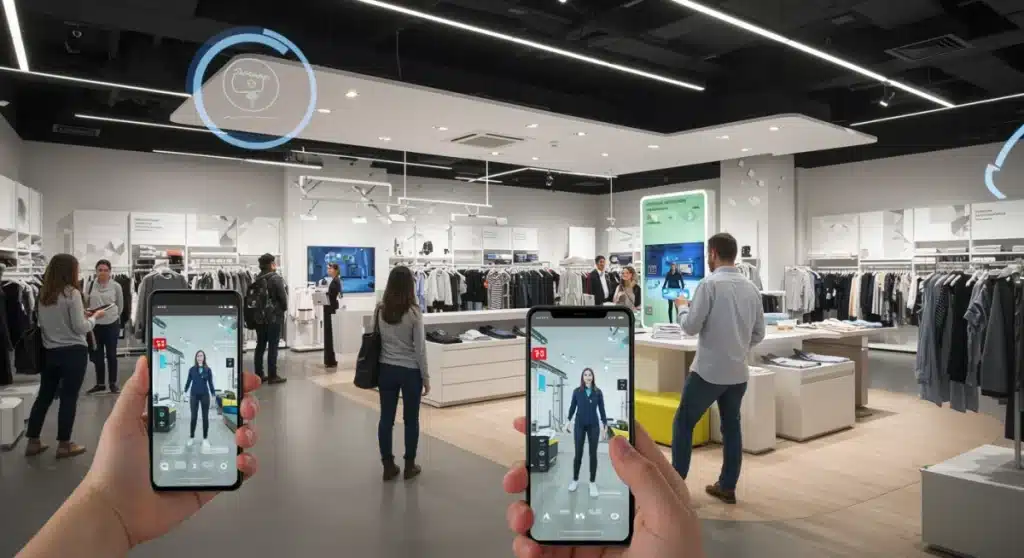
Implementing Augmented Reality in retail offers a transformative path to elevate customer interaction, with a strategic 3-month roadmap poised to boost engagement by a projected 20% by 2025 through careful planning, pilot execution, and scaled deployment.
The retail landscape is constantly evolving, driven by consumer demand for immersive and personalized experiences. To stay competitive and relevant, businesses must embrace innovative technologies. One such groundbreaking technology is Augmented Reality (AR), which promises to revolutionize how customers interact with products and brands. This article provides a comprehensive guide on implementing Augmented Reality in Retail: A 3-Month Roadmap to Boost Customer Engagement by 20% in 2025, offering practical steps for retailers to successfully integrate AR into their operations and achieve significant engagement improvements.
Understanding the potential of AR in retail
Augmented Reality is no longer a futuristic concept; it’s a present-day tool transforming consumer interactions. Unlike virtual reality, which creates entirely simulated environments, AR overlays digital information onto the real world. This capability allows retailers to enhance the physical shopping experience, bringing products to life and providing customers with richer, more informed decisions.
The integration of AR in retail addresses several key challenges faced by modern businesses. It bridges the gap between online and offline shopping, offering the convenience of digital exploration with the tangibility of physical products. This hybrid approach caters to evolving consumer preferences, particularly among younger demographics who are digital natives.
Key benefits of AR for retailers
- Enhanced product visualization: Customers can virtually try on clothes, place furniture in their homes, or see how makeup looks, reducing uncertainty and increasing purchase confidence.
- Personalized shopping experiences: AR applications can tailor recommendations and product displays based on individual preferences, making each customer feel uniquely valued.
- Increased engagement and dwell time: Interactive AR experiences capture attention and encourage customers to spend more time exploring products and brands, fostering deeper connections.
- Reduced return rates: By enabling customers to visualize products more accurately before purchase, AR can significantly decrease the likelihood of returns due to dissatisfaction with fit or appearance.
The strategic adoption of AR is not just about novelty; it’s about creating tangible business value. By improving the customer journey, retailers can differentiate themselves in a crowded market, build stronger brand loyalty, and ultimately drive sales growth. Understanding these foundational benefits is the first step in crafting an effective AR implementation roadmap.
Month 1: Strategy and foundational planning
The initial month of our 3-month roadmap is dedicated to meticulous planning and strategic alignment. A successful AR implementation begins with a clear understanding of objectives, target audience, and available resources. Rushing this phase can lead to costly mistakes and a failure to meet desired outcomes. Instead, focus on building a solid foundation that will support the entire project.
This phase involves defining what success looks like, identifying the specific customer pain points AR can address, and selecting the right technological partners. It’s crucial to involve key stakeholders from various departments, including marketing, IT, sales, and customer service, to ensure a holistic approach and secure internal buy-in.
Defining objectives and use cases
Before diving into technology, clarify what you aim to achieve with AR. Is it to reduce returns, increase in-store traffic, or boost online conversion rates? Specific, measurable, achievable, relevant, and time-bound (SMART) goals are essential. For instance, aiming to reduce online apparel returns by 15% through virtual try-on technology is a concrete objective.
- Identify core customer problems: What aspects of the current shopping experience frustrate your customers? AR can often provide innovative solutions.
- Brainstorm AR applications: Consider virtual try-on, interactive product manuals, in-store navigation, or personalized recommendations.
- Prioritize use cases: Focus on applications that offer the highest impact with feasible implementation within the initial three months.
Once objectives are clear, research existing AR solutions and vendors. Look for partners with a proven track record in retail and a deep understanding of your industry. Consider factors like scalability, integration capabilities with existing systems, and ongoing support.
Concluding month one, you should have a detailed project plan, identified key performance indicators (KPIs), and a selected AR technology partner. This foundational work sets the stage for the practical development and deployment phases, ensuring that subsequent efforts are aligned with strategic business goals.
Month 2: Pilot program development and testing
With a strategic plan and technology partner in place, month two transitions into the practical development and testing of your AR pilot program. This phase is critical for validating assumptions, identifying potential issues, and refining the AR experience before a broader rollout. A controlled pilot allows for iterative improvements and minimizes risks associated with large-scale deployment.
The focus during this month is on creating a functional prototype or a limited-scope AR application that can be tested with a small group of users. This hands-on approach provides invaluable feedback, helping to ensure that the final product genuinely enhances the customer journey and meets the defined engagement objectives.
Developing the AR experience
Work closely with your chosen AR technology partner to develop the chosen use case. This involves creating 3D models of products, designing the user interface, and integrating the AR functionality into your existing digital platforms, whether it’s a mobile app or a web-based solution. Ensure the experience is intuitive, seamless, and visually appealing.
- Asset creation: Digitize your product catalog into high-quality 3D models suitable for AR. This step is often the most time-consuming.
- User interface (UI) design: Develop an intuitive and aesthetically pleasing interface that guides users through the AR experience.
- Technical integration: Ensure the AR solution integrates smoothly with your e-commerce platform, inventory management, or CRM systems.
Once a preliminary version is ready, begin internal testing. Gather feedback from employees across different departments to identify bugs, usability issues, and areas for improvement. This internal review helps to iron out initial kinks before engaging external users.
Conducting user testing and feedback collection
After internal testing, launch a small-scale pilot program with a select group of target customers. This could involve inviting loyal customers or a specific demographic to test the AR feature. Provide clear instructions and encourage honest feedback. Utilize surveys, focus groups, and direct observation to collect qualitative and quantitative data.
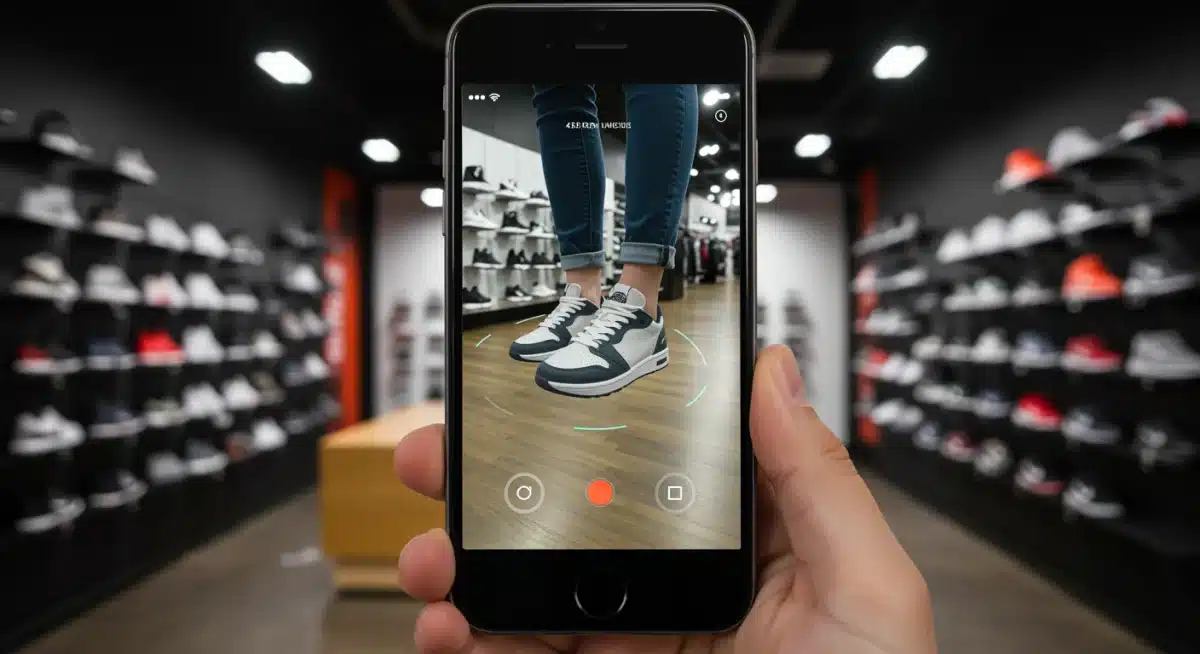

Analyze the feedback meticulously. Look for common themes, user struggles, and unexpected uses of the AR feature. Are customers finding it easy to use? Is it genuinely enhancing their experience? Are the virtual products accurate representations of the physical ones? This data is crucial for refining the AR solution.
By the end of month two, you should have a refined AR pilot program, backed by user feedback and ready for broader deployment. The iterative testing process ensures that the AR solution is robust, user-friendly, and aligned with customer expectations, paving the way for a successful launch.
Month 3: Deployment, promotion, and optimization
The final month of the roadmap focuses on the full-scale deployment of your AR solution, coupled with strategic promotion and continuous optimization. This is where the efforts of the previous two months culminate in delivering a tangible, engaging experience to your entire customer base. A successful launch requires careful coordination and a robust marketing plan to ensure widespread adoption and impact.
Beyond the initial launch, this month emphasizes the importance of ongoing monitoring and optimization. The retail landscape is dynamic, and customer preferences can shift rapidly. Therefore, a commitment to continuous improvement is vital to maintain the effectiveness and relevance of your AR investment.
Full-scale launch and marketing
Prepare for the official launch by ensuring your IT infrastructure can handle increased traffic and that customer support teams are trained to assist with AR-related inquiries. Announce the new AR feature through various marketing channels, including social media, email campaigns, in-store signage, and press releases. Highlight the benefits to customers and create compelling visuals to showcase the AR experience.
- Marketing campaigns: Develop engaging content that demonstrates how AR enhances the shopping journey.
- Staff training: Equip employees with the knowledge to explain and assist customers with the new AR feature.
- Technical readiness: Verify server capacity, app performance, and seamless integration with all relevant systems.
Consider offering incentives for early adoption, such as exclusive discounts for customers who use the AR feature. This can encourage initial engagement and generate positive word-of-mouth marketing. Monitor the launch closely for any technical glitches or unexpected user behaviors.
Monitoring, analytics, and continuous improvement
Once deployed, continuously monitor the performance of your AR solution using predefined KPIs established in month one. Track metrics such as user engagement rates, conversion rates, dwell time, and return rates. Utilize analytics tools to gain insights into user behavior and identify areas for improvement.
Gather ongoing feedback through customer surveys, app reviews, and social media mentions. This real-time data is invaluable for making informed decisions about future enhancements. Be prepared to iterate and update your AR offering based on performance data and evolving customer needs. Regular updates, new features, and improved product models can keep the AR experience fresh and engaging.
By the end of month three, your AR solution should be fully operational and actively contributing to your customer engagement goals. The continuous cycle of monitoring and optimization ensures that your investment in Augmented Reality yields sustained value and keeps your retail business at the forefront of innovation.
Measuring impact: KPIs for customer engagement
Successfully implementing Augmented Reality in retail is only half the battle; the other half involves accurately measuring its impact on customer engagement. Without clear metrics, it’s impossible to determine the return on investment (ROI) and justify continued allocation of resources. This section outlines key performance indicators (KPIs) that retailers should track to assess the effectiveness of their AR initiatives.
The goal is not just to see if customers are using AR, but whether that usage translates into improved shopping experiences, increased satisfaction, and ultimately, higher sales. A holistic approach to measurement involves looking at both quantitative data and qualitative feedback.
Key metrics to track
To gauge the success of your AR implementation, focus on a combination of engagement, conversion, and satisfaction metrics. These provide a comprehensive picture of how AR is influencing customer behavior and loyalty.
- AR feature usage rate: The percentage of customers who interact with your AR features. This indicates initial adoption and interest.
- Dwell time with AR: How long customers spend engaging with AR content. Longer dwell times often correlate with deeper interest and engagement.
- Conversion rate (AR vs. non-AR users): Compare purchase rates between customers who use AR features and those who don’t. A higher conversion rate for AR users indicates effectiveness.
- Return rates for AR-influenced purchases: Track if products purchased after using AR features have lower return rates, suggesting improved purchase confidence.
- Customer satisfaction scores (CSAT/NPS): Survey customers about their experience with AR. Higher scores indicate a positive impact on satisfaction.
Beyond these primary metrics, consider A/B testing different AR features or experiences to see which ones resonate most with your audience. This iterative testing can help optimize your AR offerings for maximum impact.
The data collected from these KPIs provides actionable insights. If engagement is low, perhaps the AR experience isn’t intuitive enough or needs better promotion. If conversion rates aren’t improving, the AR content might not be effectively conveying product benefits. Regular analysis and adaptation based on these metrics are vital for continuous improvement and ensuring AR delivers its promised value to your retail strategy.
Overcoming common challenges in AR adoption
While the benefits of implementing Augmented Reality in retail are compelling, the journey is not without its hurdles. Retailers often encounter various challenges during AR adoption, ranging from technical complexities to user acceptance issues. Proactively addressing these obstacles is crucial for a smooth implementation and achieving the desired boosts in customer engagement.
Understanding these common pitfalls allows retailers to develop strategies to mitigate risks and ensure their AR roadmap remains on track. It’s about anticipating problems and having contingency plans in place, transforming potential roadblocks into opportunities for refinement and innovation.
Addressing technical and operational hurdles
One of the primary challenges is the technical complexity involved in developing and integrating AR solutions. This includes creating accurate 3D models, ensuring compatibility across various devices, and maintaining seamless performance.
- High-quality 3D asset creation: Generating realistic and optimized 3D models can be time-consuming and expensive. Consider outsourcing or investing in specialized tools.
- Device compatibility: Ensure your AR solution works across a wide range of smartphones and tablets, accounting for different operating systems and hardware capabilities.
- Integration with existing systems: Seamlessly connecting AR with your e-commerce platform, inventory, and CRM systems requires robust APIs and careful planning.
- Data management and privacy: Handle customer data responsibly and ensure compliance with privacy regulations, especially when personalizing AR experiences.
Another operational challenge is the potential for slow loading times or glitches, which can quickly frustrate users and detract from the experience. Regular testing and optimization are essential to ensure a smooth and reliable AR application. Investing in robust infrastructure and a skilled IT team, or partnering with experienced vendors, can significantly alleviate these technical burdens.
Ensuring user adoption and value perception
Even the most advanced AR technology will fail if customers don’t understand its value or find it difficult to use. Driving user adoption requires clear communication, intuitive design, and a focus on solving real customer problems.
Educate your customers about the benefits of using AR through clear instructions, in-app tutorials, and marketing campaigns that highlight how AR simplifies their shopping decisions. The AR experience itself must be user-friendly, requiring minimal effort and providing immediate, tangible value.
Address potential concerns about privacy or data usage transparently. Building trust is paramount for encouraging customers to engage with new technologies. By anticipating and proactively addressing these challenges, retailers can pave the way for a successful AR implementation that genuinely enhances the customer experience and drives engagement.
The future of AR in retail beyond 2025
As retailers successfully navigate the 3-month roadmap for implementing Augmented Reality, it’s vital to look beyond initial deployment and consider the long-term evolution of AR in the retail sector. The technology is not static; it’s rapidly advancing, promising even more sophisticated and integrated experiences in the years to come. Retailers who plan for this future will maintain a competitive edge and continue to captivate customers.
The landscape of retail technology is constantly shifting, and AR is poised to play an increasingly central role. Thinking ahead about future trends and potential advancements allows businesses to build scalable and adaptable AR strategies, ensuring sustained relevance and innovation.
Emerging AR trends and technologies
Several exciting advancements are on the horizon that will further revolutionize AR in retail. These include more realistic rendering, advanced haptic feedback, and deeper integration with other emerging technologies.
- Spatial computing: The ability for AR to interact more intelligently with the physical environment, leading to more context-aware and personalized experiences.
- Wearable AR devices: Beyond smartphones, smart glasses and other wearable AR devices could offer hands-free, always-on augmented shopping experiences.
- AI-powered AR: Artificial intelligence will enhance AR by providing even more intelligent product recommendations, personalized styling advice, and dynamic content generation.
- Pervasive AR: AR experiences becoming seamlessly integrated into everyday environments, blurring the lines between the physical and digital worlds in retail spaces.
Imagine customers walking into a store, and through their smart glasses, seeing personalized promotions, product information, and even virtual models showcasing outfits tailored to their style. This level of immersion and personalization is the future AR promises.
Retailers should continuously research new AR capabilities and assess how they can be integrated into their existing strategies. This might involve setting aside a budget for R&D, participating in industry pilot programs, or forming partnerships with cutting-edge tech companies. By embracing a forward-thinking approach, businesses can ensure their AR initiatives remain at the forefront of retail innovation, continually boosting customer engagement and driving growth well beyond 2025.
| Roadmap Phase | Key Activities |
|---|---|
| Month 1: Planning | Define objectives, identify use cases, select AR technology partner. |
| Month 2: Pilot & Test | Develop AR experience, conduct internal and user testing, gather feedback. |
| Month 3: Launch & Optimize | Full-scale deployment, strategic promotion, continuous monitoring and analytics. |
| Ongoing: Future-Proofing | Track KPIs, adapt to emerging trends, explore new AR technologies. |
Frequently asked questions about AR in retail
The primary benefit of AR is its ability to create immersive and interactive product experiences. This allows customers to visualize products in their own environment or virtually try them on, leading to increased confidence in purchase decisions and a deeper connection with the brand, directly boosting engagement.
While complex AR solutions can take longer, a focused pilot program for a specific use case can be implemented within a 3-month roadmap. This timeframe allows for strategic planning, pilot development, testing, and initial deployment, providing quick wins and valuable insights for scaling.
Key challenges include creating high-quality 3D assets, ensuring device compatibility across various platforms, seamless integration with existing IT systems, and effectively communicating the value of AR to customers to drive adoption. Addressing these requires careful planning and robust technical execution.
Success can be measured through various KPIs, including AR feature usage rates, dwell time with AR content, conversion rate comparisons between AR and non-AR users, reduction in product return rates, and customer satisfaction scores (CSAT/NPS) related to the AR experience.
Beyond 2025, AR in retail is expected to evolve with advancements in spatial computing, wearable AR devices like smart glasses, AI-powered personalization, and pervasive AR experiences that seamlessly integrate into everyday shopping environments, offering even richer customer interactions.
Conclusion
The journey of implementing Augmented Reality in Retail: A 3-Month Roadmap to Boost Customer Engagement by 20% in 2025 is a strategic imperative for businesses aiming to thrive in the modern retail landscape. By meticulously planning in month one, developing and testing a pilot program in month two, and executing a full-scale launch with continuous optimization in month three, retailers can unlock the transformative power of AR. The key lies not just in adopting new technology, but in thoughtfully integrating it to solve real customer pain points, enhance the shopping experience, and foster deeper connections between brands and consumers. As AR continues to evolve, a commitment to innovation and adaptability will ensure sustained success and a significant boost in customer engagement for years to come.