Contactless Payments: 99% Accuracy for US Retailers by Q3 2025
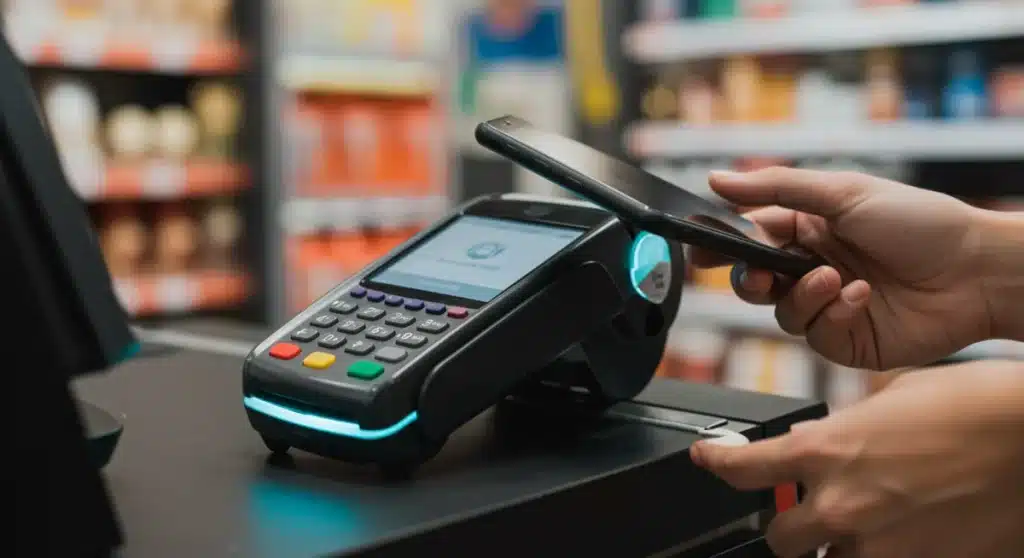
US retailers are rapidly adopting advanced contactless payment systems, aiming for an unprecedented 99% transaction accuracy by Q3 2025, driven by evolving consumer expectations and technological advancements.
The landscape of retail transactions is undergoing a profound transformation, with contactless payment accuracy emerging as a critical metric for success. US retailers are intensely focused on achieving an ambitious goal: 99% transaction accuracy by Q3 2025. This isn’t just about speed; it’s about building trust, enhancing customer experience, and streamlining operations in an increasingly digital world. What exactly does this mean for the future of shopping and how are businesses preparing for this significant shift?
The rise of contactless payments in US retail
Contactless payment technologies have moved from niche convenience to an essential component of the modern retail experience. Initially accelerated by public health concerns, their adoption has been sustained by undeniable benefits in speed, security, and customer satisfaction. US consumers now expect the option to tap and go, and retailers are responding with robust infrastructure upgrades.
This widespread acceptance isn’t merely a trend; it represents a fundamental shift in transactional behavior. Retailers are realizing that providing seamless, accurate contactless options is no longer a competitive advantage but a baseline expectation. The push for 99% accuracy reflects an industry-wide commitment to perfecting this pivotal customer interaction point.
Key drivers behind contactless adoption
- Consumer preference: Shoppers increasingly favor the speed and convenience of tap-to-pay methods over traditional swipe or chip insertions.
- Enhanced security: Tokenization and encryption protocols inherent in contactless transactions offer superior fraud protection.
- Operational efficiency: Faster checkout times reduce queues and improve staff productivity, especially during peak hours.
- Hygiene concerns: Reduced physical contact provides an added layer of safety perceived by both customers and employees.
The continued growth of mobile wallets and wearable payment devices further solidifies the position of contactless payments. Retailers are investing heavily in upgrading their point-of-sale (POS) systems and training staff to ensure these transactions are not only fast but also flawlessly executed. Achieving high accuracy is paramount to maintaining customer loyalty and operational integrity.
Defining 99% transaction accuracy for retailers
When we talk about 99% transaction accuracy, it’s more than just preventing failed payments. It encompasses a comprehensive set of metrics that ensure every contactless transaction is processed correctly from initiation to settlement. This includes accurate charge amounts, correct sales tax application, proper inventory updates, and seamless integration with loyalty programs.
For US retailers, this target signifies a commitment to minimizing errors that can lead to customer frustration, manual reconciliations, and potential revenue loss. It’s about creating a frictionless experience where the customer trusts that their payment will always go through as intended, without any hitches or discrepancies.
Components of transaction accuracy
- Successful authorization rates: A high percentage of transactions approved on the first attempt without declines due to technical issues.
- Correct amount processing: Ensuring the exact purchase price, including discounts and taxes, is charged.
- Data integrity: Accurate capture and transmission of transaction data to backend systems for inventory, accounting, and CRM.
- Fraud prevention effectiveness: Minimizing fraudulent transactions without inadvertently declining legitimate ones.
Achieving this level of precision requires sophisticated technology and robust backend systems. Retailers must continuously monitor their payment infrastructure, analyze transaction data, and implement proactive measures to identify and resolve potential points of failure. The goal is to eliminate any friction that could undermine the convenience and trust that contactless payments promise.
Technological innovations driving accuracy
The pursuit of 99% contactless payment accuracy is heavily reliant on cutting-edge technological advancements. From enhanced NFC (Near Field Communication) capabilities to advanced AI-driven fraud detection, innovations are rapidly evolving to support this ambitious goal. These technologies are designed to optimize every stage of the payment process, from tap to settlement.
Modern POS systems are integrating powerful processors and refined software that can handle high volumes of transactions with exceptional speed and reliability. Furthermore, the development of more sophisticated payment gateways and API integrations ensures seamless communication between different systems involved in a transaction, reducing the likelihood of errors or delays.
Advanced hardware and software solutions
Next-generation payment terminals are equipped with faster processors and more resilient NFC readers, minimizing read errors. Software updates are continuously improving the stability and efficiency of payment applications. These hardware and software synergies are crucial for a consistent and accurate payment experience.
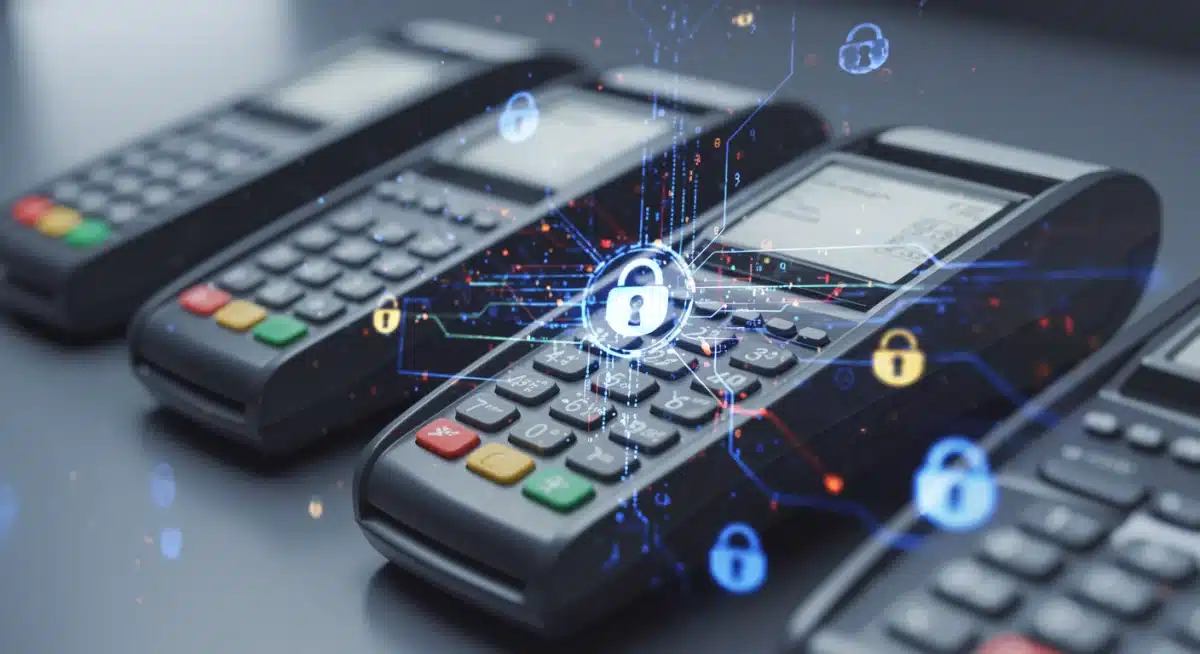
AI and machine learning for fraud detection
Artificial intelligence and machine learning algorithms are playing an increasingly vital role in maintaining high accuracy by proactively identifying and preventing fraudulent transactions in real-time. This ensures that legitimate transactions proceed without interruption while suspicious activities are flagged or blocked.
- Real-time anomaly detection: AI monitors transaction patterns to spot unusual behavior instantly.
- Dynamic risk scoring: Machine learning assesses the risk level of each transaction based on numerous data points.
- Reduced false positives: Sophisticated algorithms minimize the chances of legitimate customers being falsely accused of fraud.
The synergy of these technologies creates a robust ecosystem where contactless payments are not only convenient but also incredibly reliable and secure, paving the way for retailers to meet their accuracy targets.
Challenges and solutions in achieving 99% accuracy
While the goal of 99% contactless payment accuracy is within reach, retailers face several challenges. These include ensuring interoperability across diverse payment methods, managing network latency, and protecting against increasingly sophisticated cyber threats. Addressing these issues requires a multi-faceted approach involving technology, policy, and ongoing vigilance.
One significant hurdle is the fragmentation of payment ecosystems, with various card networks, mobile wallets, and payment processors. Ensuring that all these components communicate flawlessly and consistently is a complex task. Retailers must invest in flexible and adaptable payment infrastructures that can accommodate current and future payment innovations.
Addressing common transaction issues
- Network connectivity: Implementing redundant network connections and optimizing Wi-Fi signals to prevent transaction drops.
- Software glitches: Regular software updates and rigorous testing of POS systems to eliminate bugs and ensure compatibility.
- User error: Clear signage and staff training to guide customers through the contactless payment process.
Furthermore, data security remains a paramount concern. Retailers must continuously update their encryption protocols and comply with industry standards like PCI DSS to protect sensitive customer information. Robust cybersecurity measures are not just about compliance; they are fundamental to maintaining customer trust and preventing costly data breaches.
Impact on customer experience and retailer operations
Achieving 99% contactless payment accuracy has a profound and positive impact on both customer experience and retailer operations. For customers, it translates into faster, more reliable, and less stressful checkout experiences, fostering loyalty and repeat business. No one enjoys a payment decline or a billing error, and high accuracy mitigates these frustrations.
From an operational standpoint, high accuracy significantly reduces the time and resources spent on error correction, reconciliation, and customer service inquiries related to payment issues. This allows staff to focus on more value-added activities, improving overall store efficiency and employee satisfaction.
Enhancing customer satisfaction
When contactless payments consistently work as expected, customers perceive the retailer as modern, efficient, and trustworthy. This seamless interaction reinforces positive brand perception and encourages consumers to choose that retailer over competitors. The convenience factor of a reliable tap-and-go experience cannot be overstated in today’s fast-paced world.
Streamlining backend processes
- Reduced manual reconciliation: Fewer errors mean less time spent by accounting teams correcting discrepancies.
- Improved inventory management: Accurate transaction data ensures real-time inventory updates, preventing stockouts or overstocking.
- Better sales forecasting: Reliable data provides a clearer picture of sales trends, leading to more informed business decisions.
The ripple effect of high payment accuracy extends throughout the entire retail ecosystem, optimizing everything from supply chain management to customer relationship management, ultimately contributing to a more profitable and sustainable business model.
The future outlook: beyond Q3 2025
Reaching 99% contactless payment accuracy by Q3 2025 is a significant milestone, but it’s by no means the end of the journey. The future of retail payments promises even greater innovation, with emerging technologies poised to further redefine transaction experiences. Retailers must remain agile and continue to adapt to stay ahead of the curve.
We can anticipate broader adoption of biometric payments, further integration of payment systems with loyalty programs and personalized marketing, and the potential for new payment methods like cryptocurrency to gain mainstream traction. The focus will continue to be on creating invisible, effortless transactions that blend seamlessly into the shopping journey.
Emerging payment technologies
- Biometric authentication: Fingerprint and facial recognition for secure and convenient payment authorization.
- IoT-enabled payments: Payments integrated into smart devices and appliances, enabling automated purchases.
- Personalized payment experiences: Tailored offers and payment options based on individual customer preferences and history.
The retail environment is dynamic, and payment technology is at its forefront. The commitment to accuracy today lays the groundwork for a future where payments are not just a necessity but a strategic differentiator that enhances every aspect of the retail experience. Continuous innovation and adaptation will be key to maintaining leadership in this evolving landscape.
| Key Aspect | Description |
|---|---|
| 99% Accuracy Goal | US retailers aim for near-perfect transaction processing by Q3 2025. |
| Key Technologies | NFC, AI-driven fraud detection, advanced POS systems. |
| Customer Impact | Faster, more reliable, and secure checkout experiences, enhancing trust. |
| Operational Benefits | Reduced errors, streamlined reconciliation, improved inventory. |
Frequently asked questions about contactless payment accuracy
It means ensuring that 99% of all contactless payment attempts are processed correctly, from authorization to settlement, including accurate amounts, tax calculations, and data transfer, minimizing errors and customer issues.
High accuracy boosts customer trust and satisfaction, reduces operational costs associated with error correction, improves checkout efficiency, and strengthens a retailer’s overall reputation in a competitive market.
Key technologies include advanced NFC chipsets, robust point-of-sale (POS) systems, sophisticated AI and machine learning for fraud detection, and seamless API integrations for data exchange between payment components.
Challenges include ensuring interoperability across diverse payment methods, managing network latency, maintaining stringent cybersecurity against evolving threats, and mitigating potential user errors during transactions.
Customers will experience faster, more reliable, and stress-free checkouts. They can trust that their payments will process correctly every time, enhancing their overall shopping journey and loyalty to the retailer.
Conclusion
The drive towards 99% contactless payment accuracy by Q3 2025 represents a pivotal moment for US retailers. This ambitious target underscores a collective commitment to leveraging technology for enhanced customer experience and operational excellence. By meticulously refining payment infrastructures, embracing AI-driven security, and continuously adapting to new innovations, retailers are not just meeting consumer expectations but actively shaping the future of commerce. The benefits, from increased customer loyalty to streamlined backend processes, are undeniable, setting a new standard for efficiency and trust in retail transactions.