FTC Act 2025: Key E-commerce Compliance Changes Explained
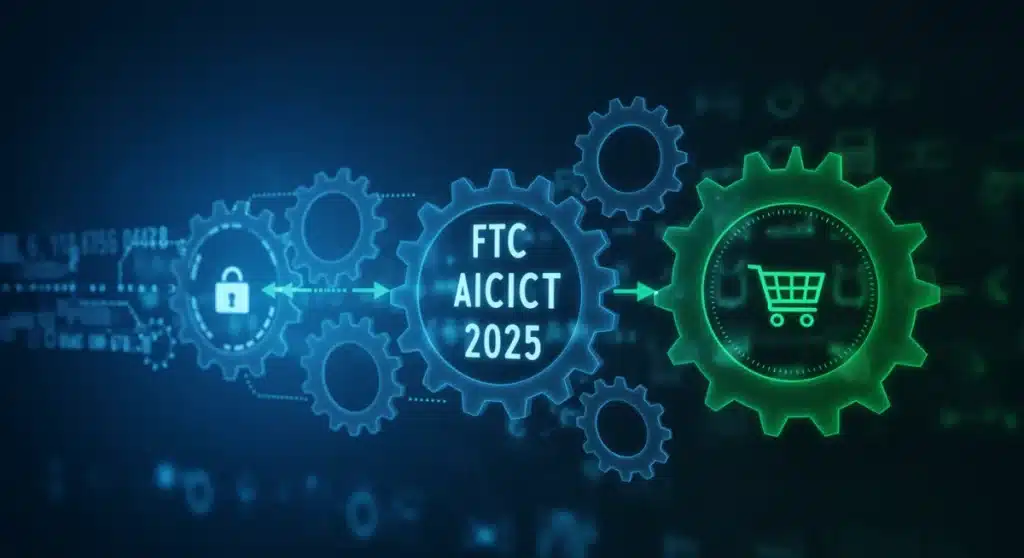
The 2025 FTC Act updates introduce critical compliance changes for e-commerce businesses, focusing on enhanced consumer protection, data privacy, and fair advertising practices; understanding these new regulations is essential for operational integrity and avoiding penalties.
As the digital landscape evolves, so do the regulations governing it. Navigating the 2025 FTC Act Updates: 3 Key Compliance Changes for E-commerce Businesses is no longer just good practice; it’s a fundamental requirement for survival and growth in the online marketplace. These recent updates bring significant shifts in how e-commerce businesses must operate, emphasizing consumer protection, data integrity, and transparent advertising. Understanding these changes proactively is crucial for maintaining trust and avoiding costly legal repercussions.
Understanding the Evolving Regulatory Landscape
The regulatory environment for e-commerce is constantly shifting, primarily driven by the need to protect consumers in an increasingly complex digital world. The Federal Trade Commission (FTC) plays a pivotal role in this, enforcing laws that prevent unfair, deceptive, or anticompetitive business practices. The 2025 updates to the FTC Act represent a significant overhaul, reflecting new technological advancements and changing consumer expectations.
These updates aren’t merely minor adjustments; they signal a more aggressive stance from regulators on issues that have historically been gray areas for online businesses. Companies that fail to adapt risk not only financial penalties but also severe reputational damage. Proactive engagement with these new regulations is not just about compliance, but about building a more trustworthy and sustainable business model.
The Rationale Behind the New Regulations
The primary driver for the 2025 FTC Act updates is the escalating concern over consumer data privacy, deceptive marketing tactics, and the growing sophistication of online scams. As e-commerce platforms gather more personal information and employ complex algorithms, the potential for misuse or manipulation increases. The new regulations aim to rebalance the power dynamic between businesses and consumers, ensuring greater transparency and accountability from online retailers.
- Increased Data Breaches: A surge in high-profile data breaches has underscored the vulnerability of consumer information, prompting stricter data security requirements.
- Sophisticated Deceptive Practices: The rise of dark patterns, misleading reviews, and ambiguous pricing structures necessitates clearer guidelines for ethical marketing.
- Algorithmic Discrimination: Concerns about algorithms creating discriminatory outcomes in pricing or service access have led to provisions promoting fairness and transparency in automated decision-making.
In essence, the FTC’s goal is to foster a fairer, more transparent, and secure online marketplace. This benefits not only consumers but also legitimate businesses that operate with integrity, by leveling the playing field and reducing the prevalence of unethical competition.
Key Change 1: Enhanced Data Privacy and Security Standards
One of the most impactful changes in the 2025 FTC Act updates directly addresses how e-commerce businesses collect, store, and use consumer data. The new standards go beyond previous requirements, mandating a more robust approach to data privacy and security. This means businesses must not only protect data from breaches but also be more transparent about their data practices and provide consumers with greater control over their personal information.
Compliance with these enhanced standards requires a comprehensive review of existing data handling protocols, from the moment data is collected to its eventual deletion. It’s no longer sufficient to have a basic privacy policy; businesses must demonstrate active measures to safeguard data throughout its lifecycle.
Practical Solutions for Data Protection
To meet the new data privacy and security standards, e-commerce businesses should consider implementing several practical solutions. These solutions range from technological upgrades to policy revisions and employee training.
- Data Minimization: Only collect data that is absolutely necessary for your business operations and explicitly stated purposes. Reduce the amount of sensitive information stored.
- Robust Encryption: Implement strong encryption for all stored and transmitted consumer data. This includes customer payment information, personal details, and browsing history.
- Regular Security Audits: Conduct frequent security audits and penetration testing to identify and address vulnerabilities in your systems. This proactive approach helps prevent breaches before they occur.
- Incident Response Plan: Develop and regularly test a comprehensive data breach incident response plan. Knowing how to react quickly and effectively can mitigate damage and maintain consumer trust.
Beyond these technical measures, businesses must also update their privacy policies to clearly articulate what data is collected, why it’s collected, how it’s used, and with whom it’s shared. Consumers must have easily accessible options to view, modify, or delete their data, ensuring adherence to the principle of consumer control.

Key Change 2: Stricter Guidelines for Deceptive Marketing and Advertising
The 2025 FTC Act updates introduce significantly stricter guidelines for deceptive marketing and advertising practices, aiming to curb misleading claims, hidden fees, and manipulative design elements often referred to as ‘dark patterns.’ E-commerce businesses must now ensure their marketing communications are unequivocally clear, honest, and transparent, leaving no room for ambiguity or misinterpretation.
This shift requires businesses to scrutinize every aspect of their advertising, from product descriptions and pricing displays to promotional offers and customer reviews. The emphasis is on building genuine trust with consumers, rather than relying on tactics that might trick or coerce them into purchases.
Navigating New Advertising Compliance
Compliance with these stricter guidelines means rethinking traditional marketing strategies to align with the FTC’s renewed focus on consumer honesty. It’s about ensuring that what you present to the consumer is exactly what they receive, without any unpleasant surprises.
- Clear Pricing and Fees: All costs, including shipping, taxes, and any recurring charges, must be clearly and prominently displayed upfront. Hidden fees are no longer permissible.
- Authentic Reviews: Businesses are responsible for ensuring that product reviews are genuine and not manipulated. This includes preventing fake reviews and clearly disclosing any incentivized reviews.
- Avoiding Dark Patterns: Design elements that intentionally mislead or trick users into making unintended decisions (e.g., making it difficult to cancel subscriptions, pre-checked boxes for additional purchases) are strictly prohibited.
- Truthful Product Claims: All product claims must be substantiated with reliable evidence. Exaggerated or unsubstantiated claims can lead to severe penalties.
E-commerce platforms must also provide clear and easy-to-understand terms and conditions for all promotions and sales. Any limitations, exclusions, or expiration dates must be explicitly stated, ensuring consumers have all the necessary information to make informed purchasing decisions.
Key Change 3: Expanded Consumer Rights and Redress Mechanisms
The third significant update in the 2025 FTC Act empowers consumers with expanded rights and provides more robust mechanisms for seeking redress when their rights are violated. This means e-commerce businesses will face increased scrutiny from individual consumers and advocacy groups, and the consequences for non-compliance could be more severe and direct.
These changes are designed to make it easier for consumers to report issues, obtain remedies, and hold businesses accountable for unfair or deceptive practices. Businesses should view these expanded rights not as a threat, but as an opportunity to build stronger customer relationships through transparency and responsive service.
Implementing Consumer-Centric Policies
To align with expanded consumer rights and redress mechanisms, e-commerce businesses must adopt more consumer-centric policies and improve their customer service infrastructure. This involves not only reactive measures but also proactive steps to prevent issues from arising in the first place.
- Simplified Complaint Processes: Ensure that your customer service channels are easily accessible and that the process for filing complaints or seeking refunds is straightforward and efficient.
- Timely Resolution: Prioritize the timely and fair resolution of consumer disputes. Delays or unresponsive service can escalate issues and attract regulatory attention.
- Enhanced Refund and Return Policies: Review and potentially expand your refund and return policies to be more generous and consumer-friendly, especially for products that do not meet expectations or are misrepresented.
- Accessible Terms of Service: Make your terms of service clear, concise, and easily understandable, avoiding legal jargon. Consumers should be able to comprehend their rights and obligations without difficulty.
Furthermore, businesses should consider offering alternative dispute resolution (ADR) options to resolve conflicts outside of formal legal proceedings. This can save time and resources for both the business and the consumer, while also demonstrating a commitment to fair dealings.
Impact on Small and Medium-Sized E-commerce Businesses
While the 2025 FTC Act updates apply to all e-commerce businesses, small and medium-sized enterprises (SMEs) might feel the impact more acutely due to limited resources. Implementing new data security protocols, revising marketing strategies, and enhancing customer service can be challenging without dedicated compliance teams or large budgets. However, ignoring these changes is not an option; proactive adaptation is key to long-term sustainability.
SMEs often rely heavily on customer trust and reputation. A single compliance misstep could have disproportionately severe consequences, making it even more critical for them to understand and prepare for the new regulatory environment. Fortunately, many solutions are scalable and can be implemented without breaking the bank.
Resource-Efficient Compliance Strategies for SMEs
Small and medium-sized e-commerce businesses can adopt several resource-efficient strategies to navigate the 2025 FTC Act updates effectively. These approaches focus on maximizing impact with minimal expenditure.
- Leverage SaaS Solutions: Utilize cloud-based software-as-a-service (SaaS) platforms for data security, customer relationship management (CRM), and privacy compliance. Many provide robust features without requiring significant upfront investment in infrastructure.
- Template-Based Policies: Adapt readily available legal templates for privacy policies, terms of service, and refund policies, ensuring they are customized to reflect your specific business practices and the new FTC requirements. Seek legal counsel for review.
- Employee Training: Conduct regular, concise training sessions for employees on data handling best practices, deceptive marketing pitfalls, and customer service protocols. Awareness is a powerful defense against non-compliance.
- Focus on Transparency: Prioritize clear and honest communication with customers in all interactions. This builds trust organically and reduces the likelihood of complaints that could trigger regulatory scrutiny.
By focusing on these strategies, SMEs can achieve a high level of compliance without being overwhelmed. The goal is to integrate compliance into daily operations, making it a natural part of doing business online.
The Role of Technology in Achieving Compliance
Technology plays an indispensable role in helping e-commerce businesses comply with the complexities of the 2025 FTC Act updates. From automated data privacy management systems to AI-powered content review tools, technological solutions can streamline compliance efforts, reduce human error, and provide a scalable framework for adherence to new regulations. Embracing these tools is not just about meeting minimum requirements but about building a resilient and future-proof digital operation.
The sheer volume of data, transactions, and marketing communications in e-commerce makes manual compliance processes impractical and prone to errors. Automation and advanced analytics offer a path to consistent and efficient regulatory adherence, freeing up valuable human resources to focus on strategic growth.
Innovative Tools for Compliance Management
Several innovative technological tools and approaches can assist e-commerce businesses in managing their compliance obligations under the updated FTC Act. These tools offer solutions across data privacy, marketing review, and customer interaction.
- Privacy Management Platforms: Software that automates data subject access requests (DSARs), manages consent preferences, and maps data flows, ensuring compliance with privacy regulations.
- AI-Powered Content Scanners: Tools that can analyze website content, product descriptions, and advertising copy for potentially misleading language, unsubstantiated claims, or dark patterns before publication.
- Customer Service Automation: Chatbots and AI assistants can handle routine customer inquiries, provide instant access to policies, and guide users through complaint or refund processes, ensuring consistent and transparent communication.
- Blockchain for Supply Chain Transparency: While nascent, blockchain technology offers potential for verifying product authenticity and origin, addressing concerns about counterfeit goods and misleading product claims.
Integrating these technologies requires careful planning and investment, but the long-term benefits in terms of reduced risk, enhanced efficiency, and improved customer trust far outweigh the initial costs. Technology is not just a compliance enabler; it’s a strategic asset in the new regulatory landscape.
Preparing for Future Regulatory Changes
The 2025 FTC Act updates, while significant, are unlikely to be the last word on e-commerce regulation. The digital world is characterized by rapid innovation, and regulatory frameworks often play catch-up. Therefore, e-commerce businesses must cultivate a culture of continuous adaptation and proactive monitoring of the regulatory landscape. This forward-looking approach ensures that companies remain agile and resilient in the face of evolving legal requirements.
Anticipating future changes involves staying informed about legislative discussions, emerging technological trends, and shifts in consumer behavior. It’s about building a robust compliance framework that can absorb and adapt to new rules without requiring a complete overhaul each time.
Strategies for Ongoing Regulatory Readiness
To maintain ongoing regulatory readiness, e-commerce businesses should implement several strategic practices that foster adaptability and continuous improvement in their compliance efforts.
- Dedicated Compliance Officer/Team: For larger businesses, designate a compliance officer or team responsible for monitoring regulatory developments and ensuring internal adherence. For smaller businesses, this might be a designated point person.
- Legal Counsel Partnership: Establish a strong relationship with legal counsel specializing in e-commerce and consumer protection law. Regular consultations can provide invaluable insights into emerging risks and compliance best practices.
- Industry Association Engagement: Participate in industry associations and forums where regulatory discussions often take place. This provides early insight into potential changes and allows for collaborative lobbying efforts.
- Regular Policy Reviews: Implement a schedule for regularly reviewing and updating internal policies, procedures, and external communications (e.g., privacy policies, terms of service) to reflect the latest regulatory requirements.
By embedding these practices into their operational DNA, e-commerce businesses can transform compliance from a reactive burden into a proactive component of their strategic planning, ensuring sustained growth and consumer trust in a dynamic digital environment.
| Key Compliance Area | Brief Description of Change |
|---|---|
| Data Privacy & Security | Mandates stronger data protection, transparency, and consumer control over personal information. |
| Marketing & Advertising | Stricter rules against deceptive practices, hidden fees, and dark patterns; requires clear, honest communication. |
| Consumer Rights & Redress | Expands consumer ability to report issues and seek remedies, increasing business accountability. |
Frequently Asked Questions About FTC Act 2025 Updates
The primary goal is to enhance consumer protection in the digital marketplace by addressing rising concerns over data privacy, deceptive marketing, and unfair business practices. It aims to foster a more transparent and trustworthy online environment for both consumers and businesses.
E-commerce businesses must now adhere to enhanced data privacy and security standards. This includes practicing data minimization, implementing robust encryption, conducting regular security audits, and providing consumers with greater control over their personal information.
‘Dark patterns’ are design elements that intentionally mislead or trick users into making unintended decisions, like making it hard to cancel subscriptions. They are prohibited because they undermine consumer autonomy and lead to deceptive practices.
No, small and medium-sized e-commerce businesses are not exempt. While they may face unique challenges in compliance due to limited resources, the regulations apply universally. Resource-efficient strategies are available to help them adapt.
Businesses should cultivate a culture of continuous adaptation, monitor regulatory discussions, engage legal counsel, and regularly review and update their internal policies and external communications to stay ahead of evolving legal requirements.
Conclusion
The 2025 FTC Act updates represent a pivotal moment for e-commerce, underscoring a clear regulatory commitment to consumer protection and fair business practices. For online businesses, successfully Navigating the 2025 FTC Act Updates: 3 Key Compliance Changes for E-commerce Businesses demands more than just a superficial review; it requires a deep understanding and proactive implementation of enhanced data privacy, transparent marketing, and expanded consumer rights. By embracing these changes, businesses can not only ensure compliance and avoid penalties but also build stronger, more trustworthy relationships with their customers, fostering long-term success in an ever-evolving digital marketplace.