Omnichannel E-commerce: Seamless 2025 Experience (Insider Solutions)
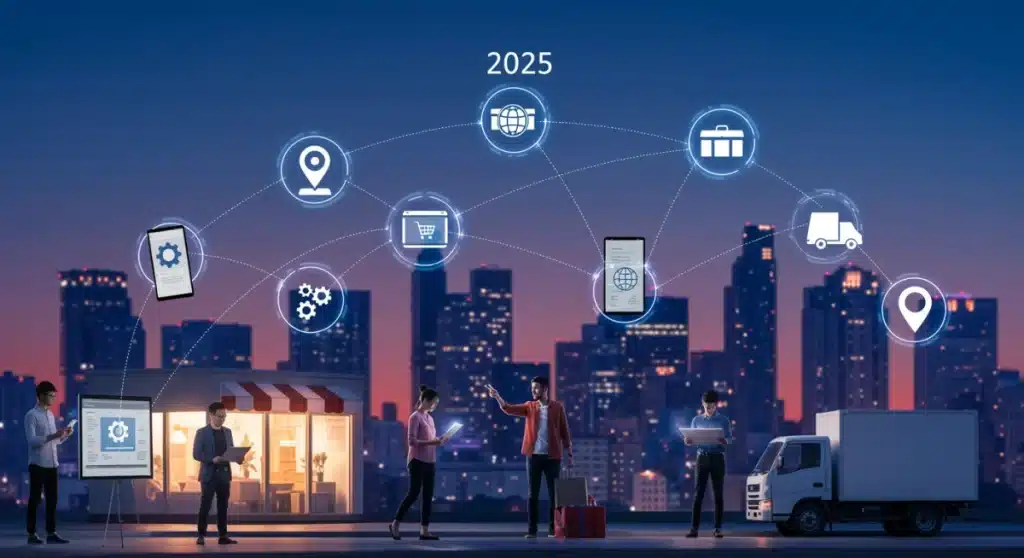
Achieving a truly integrated omnichannel e-commerce experience in 2025 demands strategic unification of 3+ customer touchpoints, ensuring a consistent and personalized journey that drives engagement and loyalty.
In the rapidly evolving landscape of digital commerce, the concept of a truly seamless customer journey has become paramount. The omnichannel e-commerce seamless experience is no longer a luxury but a fundamental expectation, demanding businesses integrate three or more channels to meet the sophisticated demands of consumers in 2025.
Understanding the Omnichannel Imperative in 2025
The term ‘omnichannel’ is often used interchangeably with ‘multichannel,’ but their distinctions are crucial for success in 2025. Multichannel simply means offering customers multiple ways to interact with your brand. Omnichannel, however, goes a significant step further, focusing on a completely unified and consistent customer experience across all available touchpoints, whether online, in-store, or via mobile.
This imperative is driven by consumer behavior. Modern shoppers expect to move fluidly between channels—browsing on a laptop, adding to a cart on a smartphone, asking a question via live chat, and perhaps picking up in-store—without any disruption or loss of context. Businesses that fail to deliver this level of integration risk losing customers to competitors who prioritize a cohesive brand experience.
The Evolution of Consumer Expectations
Customer expectations have dramatically shifted, fueled by technological advancements and the convenience offered by leading digital brands. Today’s consumers anticipate:
- Personalized recommendations based on past interactions.
- Real-time inventory updates across all channels.
- Consistent pricing and promotions, regardless of purchase point.
- Effortless returns and exchanges, online or in-store.
These expectations necessitate a strategic overhaul of traditional retail models, moving towards systems that share data and insights seamlessly across the entire organization. The goal is to create a single, unified view of the customer, enabling personalized and relevant interactions at every stage of their journey.
Ultimately, the omnichannel imperative for 2025 signifies a shift from transaction-focused interactions to relationship-centric engagements. It’s about building trust and loyalty by consistently meeting customers where they are, with the information and support they need, in a manner that feels intuitive and effortless.
Key Channels to Integrate for a Seamless Experience
Achieving a truly seamless omnichannel experience requires careful consideration and strategic integration of various customer touchpoints. It’s not just about having a presence on multiple platforms, but ensuring these platforms communicate and collaborate effectively to serve the customer.
For 2025, businesses must look beyond the traditional website and physical store, embracing a broader ecosystem of digital and physical interactions. The core objective is to eliminate silos and create a unified brand voice and operational consistency across all channels.
Essential Digital Touchpoints
Digital channels form the backbone of modern omnichannel strategies. Integrating these effectively ensures customers can engage with your brand from anywhere at any time.
- E-commerce Website: Your central digital hub, offering comprehensive product information, secure transactions, and account management. It must be mobile-responsive and user-friendly.
- Mobile App: Provides a more personalized and often faster experience, capable of leveraging device-specific features like push notifications and location services for enhanced engagement.
- Social Media Platforms: Not just for marketing, but for customer service, community building, and direct commerce through shoppable posts and integrated marketplaces.
- Email and SMS Marketing: For personalized communication, order updates, promotions, and re-engagement campaigns, ensuring consistent messaging with other channels.
The synergy between these digital channels allows customers to start their journey on one platform and seamlessly continue it on another, maintaining context and personalization throughout. This fluidity is critical for conversion and customer satisfaction.
Bridging Online and Offline
True omnichannel integration extends to physical touchpoints, creating a cohesive experience between your digital presence and brick-and-mortar operations. This fusion is often where businesses face the greatest challenges but also find the greatest opportunities for differentiation.
- Physical Stores: Act as showrooms, pickup points (BOPIS – Buy Online, Pickup In-Store), and return centers, enriched with digital tools like in-store kiosks or augmented reality experiences.
- Customer Service Centers: Whether phone, chat, or email, these must have access to a complete customer history across all channels to provide informed and efficient support.
Integrating these diverse channels means having a centralized data system that updates in real-time, allowing for consistent inventory, pricing, and customer information across every interaction point. This comprehensive view is what transforms a multichannel approach into a truly omnichannel one, delivering the seamless experience customers expect in 2025.
Technological Foundations for Omnichannel Success
Building a robust omnichannel e-commerce strategy for 2025 hinges on having the right technological infrastructure in place. This isn’t merely about adopting new software; it’s about creating an interconnected ecosystem where data flows freely and intelligently across all customer touchpoints.
Without a solid technical foundation, efforts to unify channels will inevitably lead to fragmented data, inconsistent experiences, and operational inefficiencies. The goal is to leverage technology to create a single source of truth for customer data and business operations.
Unified Data Platforms
At the heart of any successful omnichannel strategy is a powerful data platform. This system collects, processes, and analyzes customer interactions from every channel, creating a comprehensive profile for each individual. Key components include:
- Customer Relationship Management (CRM) System: A centralized repository for customer data, interaction history, and preferences, accessible by all relevant departments.
- Enterprise Resource Planning (ERP) System: Integrates core business processes such as inventory management, order fulfillment, and financial data, ensuring operational consistency across channels.
- Data Warehousing/Lakes: For storing and analyzing vast amounts of structured and unstructured data, enabling deeper insights into customer behavior and operational performance.
These platforms must be capable of real-time data synchronization to ensure that a customer’s latest interaction, whether a website browse or an in-store purchase, is immediately reflected across all systems. This real-time capability is crucial for delivering personalized experiences and accurate information.
Integration and Automation Tools
Connecting disparate systems is a significant challenge in omnichannel implementation. Integration Platform as a Service (iPaaS) solutions and Application Programming Interfaces (APIs) are vital for enabling seamless communication between different software applications.
- APIs: Allow different systems (e.g., e-commerce platform, CRM, inventory system) to talk to each other, exchanging data and triggering actions automatically.
- Marketing Automation Platforms: Automate personalized email campaigns, SMS alerts, and social media interactions based on customer behavior and preferences tracked across channels.
- AI and Machine Learning: Increasingly used for predictive analytics, personalized recommendations, dynamic pricing, and optimizing customer service interactions across various touchpoints.
Automation reduces manual effort, minimizes errors, and ensures that customers receive timely and relevant communications. By leveraging AI, businesses can anticipate customer needs and proactively offer solutions, further enhancing the seamless experience. Investing in these technological foundations is not just about keeping pace; it’s about gaining a competitive edge in the complex e-commerce landscape of 2025.
Crafting a Consistent Customer Journey
The essence of an omnichannel strategy lies in creating a consistently positive and uninterrupted customer journey, regardless of the channel chosen. This requires a deep understanding of customer behavior and meticulous planning to ensure every touchpoint reinforces the brand experience.
A fragmented journey, where customers encounter inconsistencies or have to repeat information across different channels, can quickly erode trust and satisfaction. The goal is to make every interaction feel like a natural continuation of the last.
Mapping the Customer Journey
Before any technical implementation, businesses must thoroughly map out their customer journeys. This involves identifying all potential touchpoints, understanding customer motivations at each stage, and pinpointing potential pain points.
- Awareness: How do customers discover your brand (social media, search, ads)?
- Consideration: Where do they research products (website, reviews, comparison sites)?
- Purchase: What are their preferred transaction methods (online, in-app, in-store)?
- Post-Purchase: How do they seek support, manage returns, or engage with loyalty programs?
By mapping these journeys, businesses can identify opportunities for seamless transitions and areas where the experience might break down. This insight is critical for designing processes and systems that truly support the customer.
Ensuring Brand Consistency
Consistency in branding, messaging, and service quality across all channels is non-negotiable. Customers should feel they are interacting with the same brand, whether they are on your website, speaking to a customer service representative, or visiting a physical store.
- Unified Branding: Maintain consistent visual identity, tone of voice, and brand messaging across all digital and physical touchpoints.
- Consistent Pricing and Promotions: Avoid discrepancies in pricing, discounts, or loyalty program benefits between online and offline channels.
- Shared Knowledge Base: Empower customer service agents with access to comprehensive customer history and product information, enabling informed and consistent support.
The effort to craft a consistent customer journey pays dividends in customer loyalty and brand reputation. When customers feel understood and valued at every turn, they are more likely to return and advocate for your brand. This continuous effort to refine and optimize the journey is a cornerstone of omnichannel success in 2025.
Overcoming Challenges in Omnichannel Implementation
Implementing a truly integrated omnichannel strategy is not without its hurdles. Businesses often face significant challenges ranging from technological complexities to organizational resistance. Recognizing and proactively addressing these obstacles is crucial for a successful transition.
The journey to omnichannel excellence requires strategic planning, investment, and a cultural shift within the organization. It’s a continuous process of adaptation and improvement, rather than a one-time project.
Data Silos and Integration Complexities
One of the most persistent challenges is the existence of data silos, where different departments or systems hold customer information independently, preventing a unified view. Integrating these disparate systems can be technically complex and resource-intensive.
- Legacy Systems: Older technologies may lack the APIs or flexibility needed for modern integrations, requiring significant upgrades or replacements.
- Data Governance: Establishing clear policies for data collection, storage, and sharing across departments is essential to maintain data quality and compliance.
- Technical Expertise: A shortage of skilled professionals capable of designing, implementing, and maintaining complex integrated systems can hinder progress.
Overcoming data silos requires a commitment to a centralized data strategy and significant investment in integration technologies. It also necessitates collaboration between IT, marketing, sales, and customer service teams to define data requirements and ensure seamless information flow.
Organizational and Cultural Shifts
Beyond technology, omnichannel success demands a fundamental shift in organizational structure and culture. Traditional departmental silos often work against the collaborative nature required for a unified customer experience.
- Lack of Cross-Departmental Collaboration: Departments may operate independently, leading to inconsistent messaging and service delivery across channels.
- Resistance to Change: Employees accustomed to traditional ways of working may resist new processes or technologies required for omnichannel operations.
- Training and Upskilling: Staff across all touchpoints need training on new systems, customer journey principles, and how their role contributes to the overall omnichannel experience.
Addressing these challenges requires strong leadership, clear communication of the omnichannel vision, and fostering a customer-centric culture. Incentivizing cross-functional teamwork and providing adequate training can help employees embrace the new operational model. Ultimately, successful omnichannel implementation is as much about people and processes as it is about technology.
Measuring Success and Optimizing the Omnichannel Experience
Implementing an omnichannel strategy is an ongoing journey, not a destination. To ensure continuous improvement and maximize return on investment, businesses must establish clear metrics for success and regularly optimize their approach based on data-driven insights.
Measurement allows businesses to identify what’s working, what’s not, and where adjustments are needed. Without a robust measurement framework, even the most well-intentioned omnichannel efforts can fall short of their potential.
Key Performance Indicators (KPIs) for Omnichannel
Measuring the effectiveness of an omnichannel strategy goes beyond traditional e-commerce metrics. It requires a holistic view that considers the entire customer journey across all touchpoints.
- Customer Lifetime Value (CLTV): A key indicator of long-term customer loyalty and profitability, often enhanced by a seamless omnichannel experience.
- Customer Retention Rate: How effectively the business retains customers over time, reflecting satisfaction with the overall brand experience.
- Cross-Channel Engagement: Tracking how customers interact with multiple channels before conversion or during their journey.
- Conversion Rate by Channel: Understanding which channels are most effective at driving conversions and how they contribute to the overall sales funnel.
- Customer Satisfaction (CSAT) and Net Promoter Score (NPS): Direct measures of customer sentiment and willingness to recommend the brand.
- Return Rate: Analyzing return patterns across channels can reveal insights into product quality, descriptions, or fulfillment processes.
By closely monitoring these KPIs, businesses can gain a comprehensive understanding of their omnichannel performance and identify areas for improvement. The key is to look at how different channels contribute to the overall customer journey, rather than evaluating them in isolation.
Continuous Optimization Strategies
Data gathered from KPIs should inform ongoing optimization efforts. An agile approach to omnichannel management allows for rapid testing, learning, and adaptation.
- A/B Testing: Experimenting with different messaging, layouts, or features across various channels to identify what resonates best with customers.
- Personalization Engines: Continuously refining recommendation algorithms and tailored content delivery based on real-time customer behavior.
- Feedback Loops: Implementing mechanisms for collecting customer feedback through surveys, reviews, and direct interactions to pinpoint pain points and areas for enhancement.
- Technology Upgrades: Staying abreast of new technologies and periodically evaluating existing systems to ensure they remain capable of supporting evolving omnichannel demands.
The landscape of e-commerce is constantly shifting, and what works today may not work tomorrow. A commitment to continuous optimization, driven by data and customer feedback, is essential for maintaining a competitive edge and delivering a truly seamless omnichannel experience in 2025 and beyond.
The Future of Omnichannel: Trends for 2025 and Beyond
As we look towards 2025 and beyond, the omnichannel landscape is set to evolve further, driven by emerging technologies and shifting consumer behaviors. Businesses must anticipate these changes to stay ahead, continually refining their strategies to meet future demands.
The future is not just about integrating more channels, but about making those integrations smarter, more predictive, and ultimately, more human-centric. The goal remains to create an effortless and delightful experience for every customer.
Emerging Technologies and Their Impact
Several technological advancements are poised to reshape omnichannel strategies, offering new avenues for engagement and personalization.
- Artificial Intelligence (AI) and Machine Learning (ML): Will become even more sophisticated, enabling hyper-personalization, predictive analytics for inventory and demand, and intelligent customer service bots that handle complex queries across channels.
- Augmented Reality (AR) and Virtual Reality (VR): Will offer immersive shopping experiences, allowing customers to virtually try on clothes, visualize furniture in their homes, or explore products in a virtual store, blurring the lines between physical and digital.
- Voice Commerce: The rise of smart speakers and voice assistants will necessitate optimizing product discovery and purchasing processes for voice interfaces, adding another crucial channel to the omnichannel mix.
- Internet of Things (IoT): Connected devices will create new data points and opportunities for proactive engagement, such as smart refrigerators reordering groceries or wearables tracking purchasing patterns.
These technologies will enable businesses to gather richer data, offer more intuitive interactions, and anticipate customer needs with greater accuracy, transforming the seamless experience into something truly extraordinary.
Hyper-Personalization and Proactive Engagement
The future of omnichannel will emphasize hyper-personalization, moving beyond basic recommendations to truly bespoke experiences tailored to individual preferences, behaviors, and even moods.
- Predictive Customer Service: AI-powered systems will predict customer issues before they arise, proactively offering solutions or support.
- Contextual Offers: Promotions and product suggestions will be highly contextual, delivered at the right time, on the right channel, based on real-time data and location.
- Seamless Identity across Channels: Customers will be recognized instantly across all touchpoints, eliminating the need to re-authenticate or provide information repeatedly.
The focus will be on creating experiences that feel intuitive, anticipate needs, and ultimately build deeper, more enduring relationships with customers. The omnichannel imperative for 2025 and beyond is about leveraging technology to deliver not just convenience, but genuine value and connection, making every interaction feel unique and effortless.
| Key Point | Brief Description |
|---|---|
| Omnichannel Definition | Unified, consistent customer experience across all integrated channels, unlike multichannel which merely offers multiple options. |
| Key Channel Integration | Seamless connection of 3+ channels, including e-commerce, mobile app, social media, email, and physical stores. |
| Technological Foundation | Requires unified data platforms (CRM, ERP), APIs, and automation for real-time data synchronization and personalization. |
| Future Trends | Embracing AI, AR/VR, voice commerce, and IoT for hyper-personalization and proactive customer engagement. |
Frequently Asked Questions About Omnichannel E-commerce
Multichannel simply offers customers various ways to interact with a brand, often with disconnected experiences. Omnichannel, however, focuses on providing a completely unified, consistent, and seamless customer experience across all integrated touchpoints, ensuring context is maintained as customers switch between channels.
Integrating three or more channels is crucial because modern consumers expect fluidity and consistency. They move between online, mobile, social, and physical stores, anticipating a continuous, personalized experience. Failing to connect these touchpoints leads to fragmented journeys and lost customer loyalty in a competitive market.
Essential technological foundations include unified data platforms like CRM and ERP systems for a single customer view, robust APIs for seamless system integration, and automation tools for personalized communication. AI and machine learning are also becoming critical for predictive analytics and hyper-personalization.
Overcoming data silos requires a commitment to a centralized data strategy and significant investment in integration technologies like iPaaS. It also involves establishing clear data governance policies, fostering cross-departmental collaboration, and potentially upgrading legacy systems to ensure real-time data synchronization across all touchpoints.
Beyond 2025, omnichannel e-commerce will be shaped by advanced AI and ML for hyper-personalization, immersive AR/VR shopping experiences, the rise of voice commerce, and increased integration with IoT devices. These trends will enable more predictive, proactive, and human-centric customer interactions.
Conclusion
The omnichannel imperative for 2025 is a clear call to action for all e-commerce businesses. Moving beyond mere multichannel presence, true success lies in the seamless integration of three or more customer touchpoints, creating a unified, consistent, and personalized journey. This requires strategic investment in technology, a commitment to breaking down organizational silos, and a relentless focus on the customer. By embracing these principles, businesses can not only meet but exceed evolving consumer expectations, fostering loyalty and driving sustainable growth in an increasingly competitive digital landscape.