PCI DSS 4.0 Compliance: E-commerce 7-Step Action Plan

The 2025 PCI DSS 4.0 compliance changes necessitate a proactive 7-step action plan for US e-commerce businesses to secure payment data, maintain customer trust, and avoid significant financial and reputational penalties.
As the digital landscape evolves, so do the threats to sensitive payment information. For US e-commerce businesses, understanding and preparing for the upcoming 2025 changes to PCI DSS 4.0 compliance is not merely an option, but a critical imperative. This comprehensive guide offers a practical, step-by-step action plan to ensure your operations remain secure and compliant.
Understanding PCI DSS 4.0 and Its Impact on E-commerce
PCI DSS 4.0 represents a significant evolution in payment card industry security standards, moving beyond a checklist approach to a more proactive, risk-based methodology. It aims to address emerging threats and technologies, providing greater flexibility while strengthening security controls. For e-commerce businesses, these changes will require a deeper integration of security practices into daily operations.
The updated standard emphasizes continuous security, custom controls, and enhanced authentication, reflecting the dynamic nature of cyber threats. It’s no longer enough to conduct an annual assessment; businesses must demonstrate ongoing vigilance. This shift impacts how e-commerce platforms handle cardholder data, from collection and transmission to storage and processing.
Key Changes in PCI DSS 4.0
The new version introduces several critical updates that demand attention. These changes are designed to improve security posture across the entire payment ecosystem. Understanding them is the first step toward effective preparation.
- Expanded Authentication Requirements: Stricter rules for multi-factor authentication (MFA) across all access points.
- Customized Approach Option: Allows for alternative controls if they meet the intent of the requirement and are documented.
- Increased Focus on Phishing and Social Engineering: New requirements to protect against these growing threats.
- Enhanced Software Security: More stringent controls for payment software development and maintenance.
Ultimately, PCI DSS 4.0 pushes e-commerce entities to adopt a more mature and adaptive security program. Non-compliance can lead to severe penalties, including fines, loss of processing privileges, and significant reputational damage. Proactive engagement with these changes is essential for business continuity and customer trust.
Step 1: Conduct a Comprehensive Gap Analysis
Before any significant changes can be implemented, an e-commerce business must first understand where it stands in relation to the new PCI DSS 4.0 requirements. A comprehensive gap analysis identifies existing security controls, assesses their alignment with the updated standard, and pinpoints areas needing improvement. This foundational step provides a clear roadmap for your compliance journey.
This analysis should involve a thorough review of all systems, processes, and personnel involved in handling cardholder data. It’s about more than just technology; it’s about people and procedures too. Engaging an experienced Qualified Security Assessor (QSA) can be invaluable here, offering an objective perspective and deep expertise in the standard’s intricacies.
Identifying Discrepancies and Priorities
The gap analysis will highlight specific discrepancies between your current state and the PCI DSS 4.0 requirements. These gaps need to be prioritized based on risk level and effort required for remediation. Some changes might be quick fixes, while others could demand significant investment in time and resources.
- Review current PCI DSS 3.2.1 documentation: Understand your existing compliance posture.
- Map cardholder data flow: Identify all touchpoints where sensitive data is processed, stored, or transmitted.
- Assess existing security controls: Evaluate firewalls, encryption, access controls, and monitoring systems.
- Identify new requirements: Pinpoint specific PCI DSS 4.0 additions that are not currently met.
The output of this gap analysis should be a detailed report outlining all identified gaps, their potential impact, and recommended remediation strategies. This document becomes the cornerstone of your compliance project plan, guiding subsequent steps and resource allocation.
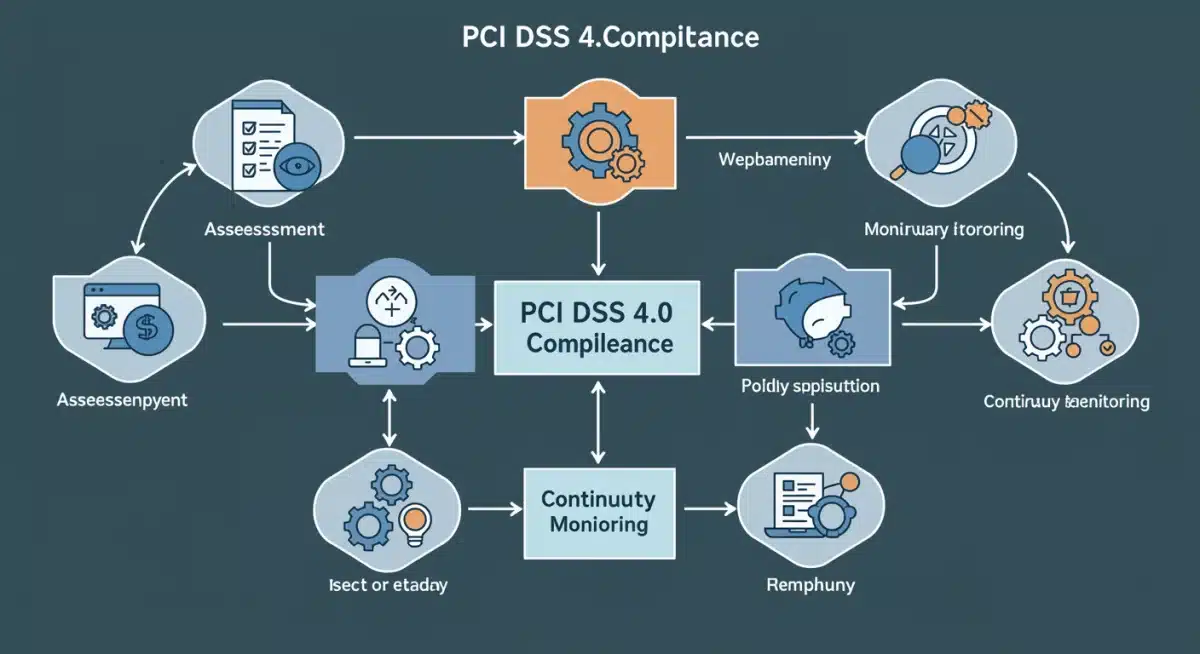
A clear understanding of your current posture is crucial. Without it, efforts to achieve compliance might be misdirected, leading to inefficiencies and continued vulnerabilities. This initial phase sets the stage for a successful transition to PCI DSS 4.0.
Step 2: Develop a Detailed Remediation Plan
Once the gaps are identified, the next critical step is to formulate a detailed remediation plan. This plan translates the findings of the gap analysis into actionable tasks, assigning responsibilities, setting timelines, and allocating necessary resources. A well-structured remediation plan ensures a systematic and efficient approach to addressing compliance deficiencies.
The plan should be dynamic, allowing for adjustments as challenges arise or new information becomes available. It’s not a static document but a living roadmap that guides your organization through the compliance journey. Collaboration across various departments, including IT, legal, and operations, is essential for its successful execution.
Prioritizing and Executing Remediation Tasks
Remediation tasks should be prioritized based on several factors: the severity of the risk, the effort required to implement the solution, and any interdependencies between tasks. High-risk, high-impact gaps should be addressed first to mitigate immediate vulnerabilities. It’s often beneficial to break down larger tasks into smaller, manageable sub-tasks.
- Assign clear ownership: Designate individuals or teams responsible for each remediation task.
- Set realistic deadlines: Establish achievable timelines for completion.
- Allocate budget and resources: Ensure necessary financial and human resources are available.
- Implement new technologies: Adopt solutions like advanced encryption, tokenization, or secure coding practices.
Regular progress meetings and reporting are vital to keep the remediation plan on track. Documenting all changes and implementations is equally important, as this evidence will be required during the final compliance assessment. A proactive and organized remediation effort minimizes disruption and accelerates the path to compliance.
Step 3: Enhance Data Security Controls and Practices
The core of PCI DSS 4.0 compliance lies in robust data security. This step focuses on implementing and enhancing technical and procedural controls to protect cardholder data throughout its lifecycle. It’s about building multiple layers of defense to prevent unauthorized access, use, disclosure, disruption, modification, or destruction of sensitive information.
This includes strengthening network security, encrypting data at rest and in transit, implementing stringent access controls, and regularly patching systems. E-commerce businesses must adopt a ‘security-first’ mindset, where data protection is embedded into every aspect of their operations, not just an afterthought.
Implementing Advanced Security Measures
PCI DSS 4.0 demands a higher standard of security than its predecessors. This means moving beyond basic security practices to incorporate more advanced and adaptive measures. The goal is to create a resilient security environment capable of defending against sophisticated cyber threats.
- Implement strong encryption: Ensure all stored cardholder data is encrypted using industry-accepted algorithms.
- Strengthen access controls: Apply the principle of least privilege, ensuring employees only have access to data necessary for their roles.
- Regularly update and patch systems: Keep all software, operating systems, and applications current to address known vulnerabilities.
- Deploy intrusion detection/prevention systems (IDPS): Monitor network traffic for suspicious activity and block malicious attacks.
Furthermore, consider adopting tokenization or point-to-point encryption (P2PE) solutions to minimize the scope of your cardholder data environment (CDE), thereby reducing your compliance burden. By proactively enhancing these controls, e-commerce businesses can significantly improve their security posture and demonstrate compliance with PCI DSS 4.0.
Step 4: Update Policies, Procedures, and Employee Training
Technology alone cannot ensure compliance; it must be supported by comprehensive policies, well-defined procedures, and a well-trained workforce. This step involves reviewing and updating all relevant documentation to align with PCI DSS 4.0 requirements and ensuring that all employees understand their roles in maintaining data security. Human error remains a significant vulnerability, making training paramount.
Policies should clearly articulate the organization’s commitment to security, while procedures should detail the specific steps employees must follow to protect cardholder data. These documents serve as foundational guides for compliant operations and are essential evidence during an audit.
Fostering a Culture of Security
Effective compliance extends beyond mere documentation; it requires fostering a robust security culture within the organization. Every employee, from customer service representatives to IT professionals, plays a role in safeguarding sensitive information. Regular and engaging training sessions are key to achieving this.
- Revise security policies: Update Acceptable Use Policies, Incident Response Plans, and Data Retention Policies to reflect PCI DSS 4.0.
- Document new procedures: Create clear, step-by-step guides for handling cardholder data, system configurations, and security event responses.
- Conduct mandatory security awareness training: Educate all employees on common threats like phishing, social engineering, and proper data handling.
- Implement role-specific training: Provide specialized training for employees with direct access to or responsibility for cardholder data.
Periodic refreshers and simulated phishing exercises can reinforce training and keep security top of mind. By investing in robust policies, clear procedures, and continuous employee education, e-commerce businesses can significantly reduce the risk of security breaches and demonstrate a strong commitment to PCI DSS 4.0 compliance.
Step 5: Implement Continuous Monitoring and Testing
PCI DSS 4.0 places a strong emphasis on continuous security, moving away from a purely annual assessment model. This step involves establishing robust monitoring systems and regularly testing security controls to ensure they remain effective against evolving threats. Proactive identification and remediation of vulnerabilities are crucial for maintaining an ongoing compliant state.
Continuous monitoring provides real-time visibility into your security posture, allowing for immediate detection of anomalies or potential breaches. Regular testing, including vulnerability scans and penetration testing, helps validate the effectiveness of your implemented controls and identifies new weaknesses before they can be exploited by malicious actors.
Tools and Techniques for Ongoing Vigilance
To effectively implement continuous monitoring and testing, e-commerce businesses should leverage a combination of automated tools and manual processes. This layered approach ensures comprehensive coverage and timely responses to security events.
- Deploy Security Information and Event Management (SIEM) systems: Centralize and analyze security logs from various systems for real-time threat detection.
- Schedule regular vulnerability scans: Conduct internal and external scans to identify system weaknesses.
- Perform annual penetration testing: Simulate real-world attacks to evaluate the resilience of your security defenses.
- Implement file integrity monitoring (FIM): Detect unauthorized modifications to critical system files.
Regularly reviewing logs, conducting security audits, and staying informed about the latest threat intelligence are also vital components of a continuous monitoring program. This proactive approach not only helps achieve PCI DSS 4.0 compliance but also significantly enhances the overall security posture of the e-commerce business.
Step 6: Partner with Compliant Service Providers
In the e-commerce ecosystem, businesses often rely on various third-party service providers for payment processing, hosting, and other critical functions. PCI DSS 4.0 reinforces the responsibility of merchants to ensure that these partners also maintain appropriate security controls and compliance. This step involves carefully vetting and managing relationships with all service providers that handle or could impact cardholder data.
The chain of trust is only as strong as its weakest link. A breach originating from a non-compliant service provider can still have severe consequences for your business. Therefore, due diligence in selecting and monitoring these partners is a non-negotiable aspect of your own compliance strategy.
Ensuring Third-Party Compliance
Managing third-party risk requires a structured approach, from initial selection to ongoing oversight. It’s not enough to simply ask if a provider is PCI compliant; you need to verify it and understand the scope of their compliance.
- Conduct thorough due diligence: Evaluate potential service providers’ security practices and compliance certifications (e.g., their Attestation of Compliance).
- Include PCI DSS 4.0 requirements in contracts: Mandate compliance, incident response protocols, and audit rights in service agreements.
- Regularly review compliance status: Request and review annual Attestations of Compliance (AOCs) or Reports on Compliance (ROCs) from your providers.
- Define clear responsibilities: Ensure a clear understanding of who is responsible for which PCI DSS requirements between your organization and the vendor.
Establishing clear communication channels and conducting periodic reviews of service provider performance are also critical. By ensuring that all partners in your payment ecosystem adhere to PCI DSS 4.0, you strengthen your overall security posture and mitigate third-party risks, contributing significantly to your own compliance.
Step 7: Prepare for the Final Assessment and Ongoing Compliance
The final step in the 7-step action plan is to prepare for the formal PCI DSS 4.0 assessment and to establish a framework for ongoing compliance. This involves gathering all documentation, reviewing all implemented controls, and ensuring your team is ready to demonstrate adherence to the standard. Compliance is not a one-time event but a continuous process that requires sustained effort and vigilance.
The assessment might be conducted by a QSA or an Internal Security Assessor (ISA), depending on your merchant level. Regardless of who conducts it, thorough preparation will streamline the process and increase the likelihood of a successful outcome. This stage is about proving that your hard work has paid off.
Sustaining Compliance Efforts
Achieving compliance is a milestone, but maintaining it is the true challenge. PCI DSS 4.0 emphasizes continuous compliance, meaning your organization must embed security practices into its DNA. This requires ongoing commitment, regular reviews, and adaptation to new threats and business changes.
- Organize documentation: Compile all policies, procedures, evidence of remediation, and monitoring reports for easy access during the assessment.
- Conduct internal audits: Perform mock assessments to identify any last-minute issues before the official audit.
- Designate a compliance manager: Assign responsibility for overseeing ongoing compliance efforts.
- Establish a review schedule: Periodically review policies, procedures, and security controls to ensure continued effectiveness.
By treating PCI DSS 4.0 compliance as an ongoing operational requirement rather than an annual burden, e-commerce businesses can build a resilient security framework that protects sensitive data, fosters customer trust, and supports long-term business growth in the digital marketplace.
| Key Step | Brief Description |
|---|---|
| Gap Analysis | Identify differences between current security and PCI DSS 4.0 requirements. |
| Remediation Plan | Develop actionable tasks to address identified compliance deficiencies. |
| Continuous Monitoring | Implement ongoing security monitoring and regular testing of controls. |
| Partner Compliance | Ensure all third-party service providers are also PCI DSS 4.0 compliant. |
Frequently Asked Questions About PCI DSS 4.0 Compliance
The full enforcement deadline for all PCI DSS 4.0 requirements, including new ones, is March 31, 2025. Businesses should aim to achieve compliance well before this date to ensure readiness and avoid potential penalties. Early preparation is key to a smooth transition.
PCI DSS 4.0 introduces a more flexible, risk-based approach, emphasizing continuous security and custom controls. Key differences include expanded authentication, increased focus on phishing, enhanced software security, and the ability to implement a customized approach for certain requirements, moving beyond a prescriptive checklist.
Non-compliance can lead to severe penalties, including significant fines from payment brands, increased transaction fees, and the potential loss of credit card processing privileges. Beyond financial repercussions, businesses face severe reputational damage, loss of customer trust, and potential legal liabilities from data breaches.
Yes, all businesses that process, store, or transmit cardholder data must comply, regardless of size. While the scope of requirements may vary based on transaction volume (merchant level), the core principles apply. Small businesses can leverage compliant payment processors and simplified environments to ease the burden.
Yes, PCI DSS 4.0 places a much stronger emphasis on continuous security. While not every aspect requires 24/7 real-time monitoring, the standard mandates ongoing vigilance and regular testing of controls. This ensures that security measures remain effective against evolving threats, moving beyond annual assessments.
Conclusion
Navigating the 2025 PCI DSS 4.0 compliance changes requires a strategic, multi-faceted approach for US e-commerce businesses. By diligently following this 7-step action plan, organizations can systematically identify gaps, implement robust security controls, educate their workforce, and establish a framework for continuous monitoring. This proactive engagement not only ensures adherence to the new standard but also fortifies their overall cybersecurity posture, safeguarding sensitive customer data and building enduring trust in the digital marketplace.